Material Selection and Durability
The first decision in selecting Enerlites plates is determining the material that best suits your environment. Most residential applications utilize high-impact thermoplastic. These are excellent for standard living areas because they are resistant to cracking and can withstand the minor bumps of daily life. However, if you are working in a high-traffic commercial space or a kitchen where moisture and grease are prevalent, you may want to look for reinforced polymers or metal-based options. Metal plates offer a premium, heavy-duty feel and are much harder to scratch, making them ideal for industrial-chic decors or high-use zones. Always consider the 'finish' of the material. A matte finish can help hide fingerprints in high-touch areas like light switches, whereas a high-gloss finish can add a touch of elegance to a formal dining room.
Configuration and Device Compatibility
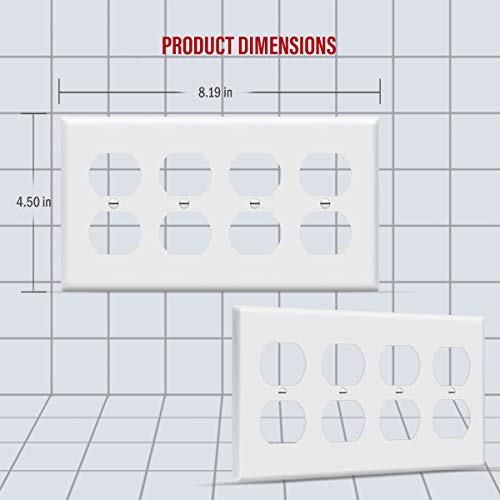
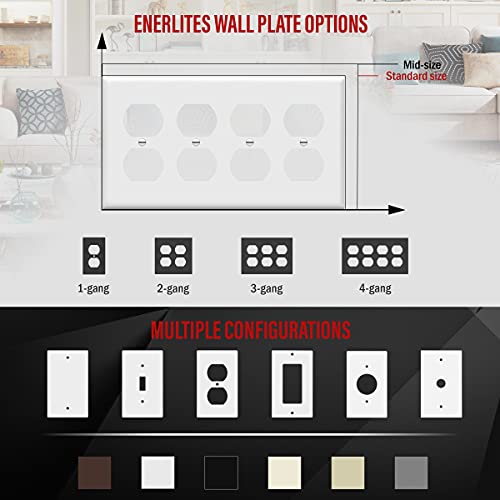
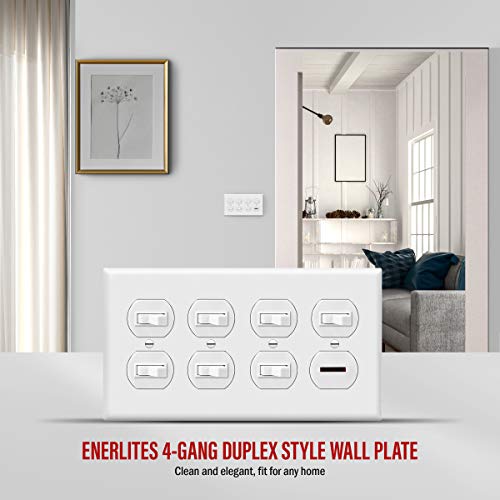
One of the most common mistakes in purchasing wall plates is overlooking the specific configuration of the electrical devices behind the wall. Enerlites offers a vast array of layouts, ranging from standard single-gang plates to complex multi-gang configurations. You must accurately count your devices—switches, outlets, dimmers, or data ports—before ordering. Beyond the count, pay attention to the specific device type. A standard toggle switch plate will not fit a modern rocker (decorator) style switch. Similarly, if you are installing a combination plate (such as a duplex outlet and a switch in one unit), ensure the plate is designed for that specific spatial arrangement. Mismatched configurations lead to gaps between the plate and the wall, which look unprofessional and can leave wiring exposed.
Aesthetic Integration and Color Matching
ext{
The visual impact of a wall plate is heavily dependent on how it interacts with your wall color and trim. Enerlites provides a range of colors intended to blend seamlessly into various environments. For a minimalist look, matching the plate color to your wall color creates a 'disappearing' effect that keeps the focus on your decor. Conversely, using a contrasting color, such as a metallic or dark-toned plate against a light wall, can turn the electrical outlet into a deliberate design accent. When choosing, consider the lighting in the room. High-gloss plates may reflect glare from windows or overhead lights, which might be distracting in a home theater or bedroom, whereas satin or matte finishes provide a softer, more diffused appearance.
Installation Ease and Fitment
A premium plate is only effective if it sits flush against the drywall. When evaluating plates, look for those designed with slightly oversized mounting holes or adjustable screw slots. This provides a margin of error if your electrical box is not perfectly level—a common issue in older homes. A plate that sits crooked or has a visible gap between the edge and the wall will detract from the quality of your work. High-quality plates will feature smooth, radiused edges that prevent them from catching on clothing or scratching the paint during installation. Always ensure the plate you select is compatible with standard mounting screw sizes to avoid the need for specialized tools or hardware.