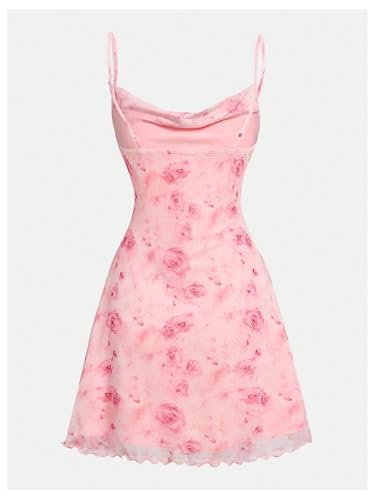
Prioritize Silhouette and Occasion Alignment
The first step in your selection process is matching the dress architecture to your wedding venue. Floerns offers a variety of cuts, and choosing the wrong one can clash with your setting. If you are opting for a destination wedding on sand or grass, look for A-line or empire waist silhouettes. These styles provide movement and prevent the hem from becoming a heavy burden. For more traditional or formal settings, consider ball gowns or mermaid cuts that emphasize structure. Pay close attention to the 'style' descriptions. A bohemian lace dress will offer a completely different vibe than a sleek satin column gown. Ensure the silhouette complements your body type by visualizing how the waistline sits—higher waists elongate the legs, while dropped waists offer a more relaxed, vintage feel.
Decoding Fabric and Texture
Since you cannot touch the material through a screen, you must become an expert at reading fabric compositions. In the world of affordable bridal wear, the difference between a dress that looks expensive and one that looks costume-like lies in the textile. Look for descriptions mentioning lace overlays, tulle, or chiffon. Chiffon is excellent for a lightweight, romantic drape, while tulle provides the volume necessary for princess-style skirts. Be cautious of overly synthetic-feeling fabrics that may lack breathability. If the dress features heavy embroidery or beadwork, check the reviews or detailed descriptions to ensure the embellishments are sewn securely and aren't just printed patterns, which can lose their luster under professional photography lighting.
The Critical Importance of Sizing and Alterations
One of the most significant decision factors when buying wedding dresses online is the sizing chart. Standardized sizing can be incredibly inconsistent across different manufacturers. Do not rely on your usual 'off-the-rack' size. Instead, invest in a soft measuring tape and take your bust, waist, and hip measurements precisely. When reviewing a dress, look for mentions of 'stretch' or 'structured bodices.' A dress with a corset-style lace-up back is much more forgiving for slight measurement discrepancies than a zipper-closure gown. Always factor in the cost and time for professional alterations. Even the most beautiful dress will require a tailor to perfect the hemline and ensure the bodice sits flush against your skin to prevent gaping.
Evaluating Construction Details
A high-quality wedding dress is defined by its internal construction. When browsing, look for details like built-in cups, boning in the bodice, or lining. A lined dress will provide a smoother silhouette and prevent the outer lace from irritating your skin. Additionally, consider the neckline—sweetheart, V-neck, or halter—as these will dictate the type of bridal lingerie or undergarments you will need to purchase. A well-constructed bodice provides the support necessary to carry the weight of a full skirt without constant readjustment throughout your ceremony.