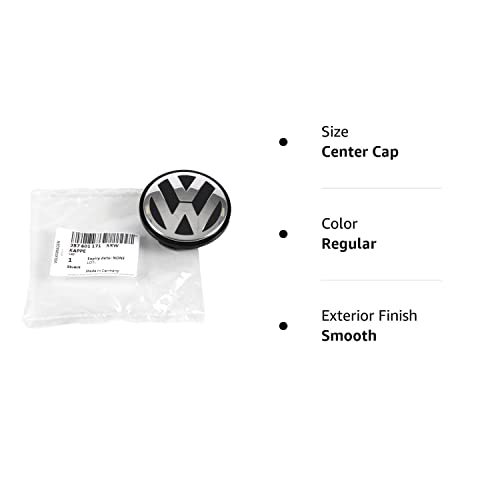
Verify Diameter and Clip Configuration
The most critical step in purchasing Volkswagen center caps is ensuring a perfect fit. Unlike universal hubcaps, Volkswagen center caps are engineered to specific diameters and utilize unique internal clip mechanisms. Before purchasing, you must measure the diameter of your existing cap or the recessed area of your wheel. Even a millimeter of difference can result in a cap that either rattles incessantly or refuses to snap into place. Furthermore, pay close attention to the clip style. Some models use a pressure-fit snap system, while others may require a specialized tool or a specific prong orientation to lock into the wheel hub.
Material Quality and Finish Durability
Because center caps are exposed to extreme temperature fluctuations, road salt, brake dust, and high-pressure car washes, material composition is paramount. Premium replacements typically feature a high-impact ABS plastic base. Look for caps that utilize UV-resistant coatings on the emblem. A common failure point in budget-friendly options is 'fading' or 'peeling,' where the VW logo begins to flake off after a few months of sun exposure. For a factory-fresh look, ensure the silver or chrome finish matches the metallic sheen of your specific alloy wheels rather than opting for a generic high-gloss plastic that may look out of place.
OEM Style vs. Custom Aesthetics
When deciding on a replacement, you must choose between maintaining the factory look or customizing your ride. Most owners opt for OEM-style caps that feature the classic VW logo in its original color scheme (typically silver on black or chrome on black). This is the best route for maintaining resale value and a clean, sophisticated appearance. However, if you are running aftermarket wheels or a themed build, you might consider 'blacked-out' or matte-finish caps. If you are replacing a single cap, try to match the texture of the remaining caps on the vehicle to avoid a mismatched set that draws attention to the repair.
Protection and Functionality
Beyond aesthetics, remember that the center cap serves a functional purpose: it acts as a seal. A well-fitting cap prevents moisture, dirt, and corrosive road salts from accumulating directly on the center hub and axle nut. When evaluating products, consider how tightly the seal sits against the wheel surface. A cap that sits too loosely can allow debris to enter the hub assembly, potentially leading to premature wear or corrosion of the wheel bearings over time. Always prioritize a cap that offers a snug, flush fit to ensure both longevity and protection.