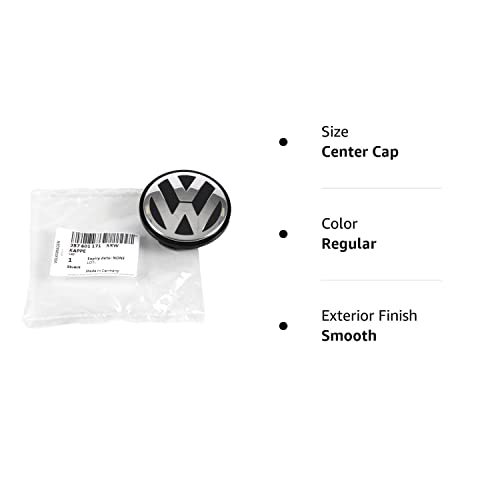
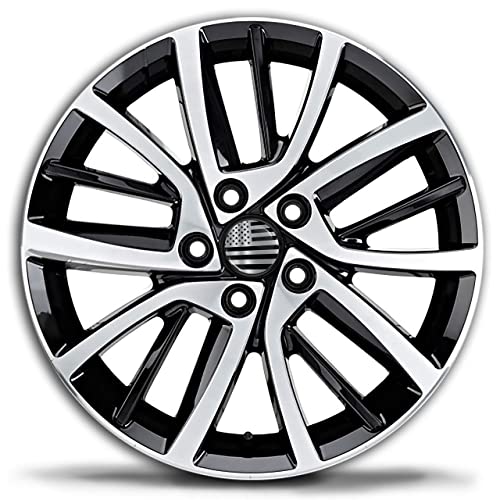
Verify Diameter and Fitment Precision
The most critical mistake buyers make when sourcing Volkswagen center caps is assuming all caps are universal. Volkswagen has utilized various diameters across different eras and wheel styles. Some wheels require a larger diameter cap to cover the central hub, while others feature smaller, recessed mounting points. Before purchasing, you must measure the diameter of the existing cap or the diameter of the circular indentation on your wheel. Even a millimeter of difference can result in a cap that either falls out while driving or refuses to snap into place. Always check if your specific wheel design requires a 'flush' fit or a 'protruding' style, as this significantly impacts the visual profile of the wheel.
Material Quality and Finish Durability
Because center caps are constantly exposed to extreme temperature fluctuations, UV rays, and corrosive road salts, material choice is paramount. High-quality caps are typically constructed from heavy-duty ABS plastic, which offers better impact resistance than cheaper alternatives. Pay close attention to the finish of the emblem. A premium cap will feature a high-gloss, UV-resistant coating that prevents the VW logo from fading or turning yellow over time. If you live in a region with heavy winter salt usage, look for caps with a sealed underside to prevent moisture from seeping behind the emblem, which can cause the decorative element to peel or delaminate.
Attachment Mechanism: Snap-In vs. Bolt-On
Volkswagen center caps generally fall into two mechanical categories: snap-in and bolt-on. Most modern alloy wheels use a snap-in design, where plastic clips on the underside of the cap grip the edges of the wheel's center bore. When evaluating these, ensure the clips are sturdy and not overly brittle. If you are working on older or specialty performance wheels, you might encounter caps that are secured by the lug nuts themselves or a central retaining bolt. Ensure that the replacement you select matches the mounting hardware currently installed on your vehicle to avoid a mismatch in installation methods.
Aesthetic Consistency and OEM Styling
When replacing a single damaged cap, your primary goal is visual continuity. There are various iterations of the Volkswagen logo, ranging from the classic vintage styles to the modern, minimalist 2D designs. If you are replacing only one cap, try to match the depth and color of the existing ones. If you are refreshing an entire set, consider whether you want a chrome-accented look for a premium feel or a matte black finish for a more rugged, understated appearance. A mismatched set of center caps is one of the most noticeable flaws in vehicle maintenance, so consistency is key to a professional look.