Material Integrity and Weather Resistance
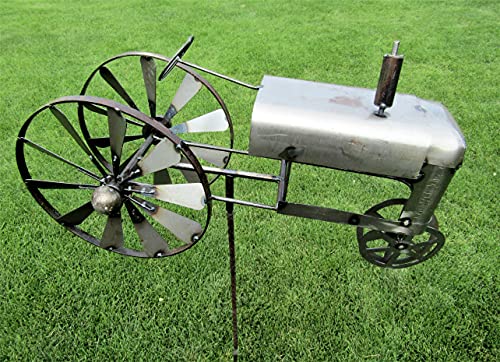
Because wind sculptures are perpetually exposed to the elements, the material composition is the single most important factor in your decision. High-quality kinetic art typically utilizes metals such as stainless steel, copper, or powder-coated aluminum. Stainless steel is the gold standard for those living in coastal or high-moisture environments due to its exceptional resistance to rust and oxidation. Copper offers a different advantage. While it will develop a natural patina over time, this aging process can add a soulful, antique character to the sculpture that complements a rustic or naturalistic setting. Avoid lightweight plastics or thin-gauge metals that may warp or lose their structural balance under heavy wind loads, as a loss of balance will result in stuttering, ungraceful movement.
Kinetic Complexity and Movement Patterns
Not all wind sculptures move in the same way. When browsing, categorize the motion you desire: do you want rapid, high-frequency spinning, or a slow, majestic rotation? Some sculptures utilize vertical axis designs that spin like whirligigs, while others employ complex, multi-arm arrangements that create undulating, wave-like patterns. Look closely at the bearing systems. The smoother the movement, the higher the quality of the internal mechanics. A superior sculpture should respond to even the slightest zephyr without clicking, grinding, or resisting. If a piece is designed to mimic the natural flow of the sky, look for designs with aerodynamic blades that allow for a fluid, continuous motion rather than jerky, intermittent starts and stops.
Scale and Visual Weight
A common mistake is choosing a sculpture that is either swallowed by its environment or overwhelms its surroundings. In a large, open garden or a wide backyard, a small sculpture will lack the visual presence to command attention. Conversely, placing a massive, heavy-duty kinetic piece on a small balcony can create a sense of claustrophobia. Consider the 'visual weight' of the piece. A dark, solid metal sculpture carries more weight than a polished, reflective one. Match the scale of the sculpture to the focal point of your yard. If the sculpture is intended to be a centerpiece, ensure it is elevated on a pedestal or a sturdy stake to bring the movement closer to eye level, allowing viewers to appreciate the intricate interplay of light and shadow.
Installation and Wind Load Considerations
Finally, consider the practicalities of installation. A sculpture that moves beautifully in a light breeze must also be engineered to withstand high-velocity gusts without becoming a projectile or suffering mechanical failure. Check the stability of the base. For permanent installations, a heavy-duty ground stake or a bolted mounting plate is preferable to ensure the sculpture remains upright during storms. If you live in a particularly windy region, look for sculptures with 'fail-safe' designs—mechanisms that allow the sculpture to spin freely at high speeds rather than locking up, which can cause structural damage.