Determining the Style and Silhouette
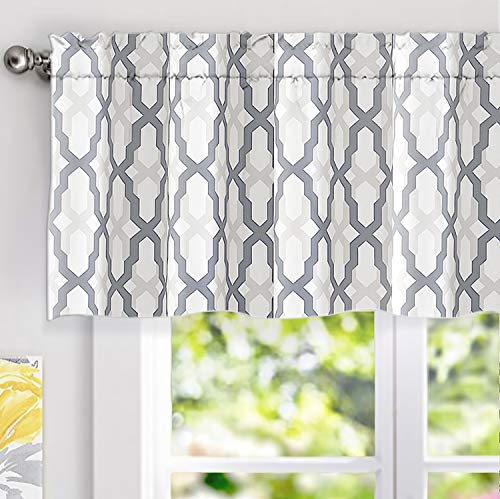
The first step in selecting a valance is deciding on the silhouette, as this dictates the 'vibe' of the room. Traditional styles often feature structured folds or scalloped edges, which work beautifully in formal dining rooms or classic master bedrooms. If you prefer a more relaxed, bohemian, or farmhouse aesthetic, look for soft, gathered fabric valances that drape loosely. For modern or minimalist interiors, consider geometric shapes or crisp, straight-edged designs that provide a clean line without unnecessary bulk. The silhouette should complement the existing window shape. For instance, a curved valance can soften the harsh rectangular lines of a standard window frame.
Fabric Weight and Light Diffusion
The material of your valance influences both how it hangs and how it interacts with light. Heavyweight fabrics like velvet or thick brocade offer a sense of luxury and permanence, making them ideal for formal settings. These materials are excellent for hiding curtain rods completely but can sometimes feel visually heavy in smaller rooms. Conversely, lightweight fabrics like linen, sheer voile, or cotton lace provide a breezy, ethereal quality. These are perfect for kitchens, sunrooms, or breakfast nooks where you want to add texture without blocking the natural flow of light. When choosing, consider the 'drape factor'—how the fabric falls from the rod—as this determines whether the valance looks intentional or merely cluttered.
Measuring for Scale and Proportion
One of the most common mistakes in window dressing is choosing a valance that is too narrow or too short. A valance should typically extend several inches beyond the width of the window frame on both sides to create a sense of grandeur and to ensure the hardware is adequately concealed. If the valance is too small, it can make the window appear pinched and disproportionate to the wall. In terms of height, consider the 'drop.' A deep drop (the amount of fabric hanging down) adds drama and works well with long, floor-length drapes. A short drop is better suited for smaller windows or when you want to maintain a view of the outside world while still framing the glass.
Mounting Hardware and Installation Ease
How the valance attaches to your window is just as important as the fabric itself. Some valances come with integrated rod pockets, allowing you to slide a standard curtain rod directly through the fabric. This is a seamless, easy-to-install option that works well for casual settings. Other premium options may require specialized clips or decorative drapery rings. If you are working with a window that already has blinds or shades installed, look for valances designed for 'top-mount' installation, which allows the valance to sit above the existing hardware without interfering with the operation of the blinds. Always check if the mounting hardware is included or if you will need to source matching rods to ensure a cohesive look.
Coordinating with Existing Drapery
If you plan to pair your valance with full-length curtains, you must decide between a monochromatic look or a high-contrast approach. A monochromatic scheme—using different shades of the same color—creates a sophisticated, seamless appearance that can make a room feel larger. A high-contrast approach, such as a patterned valance paired with solid curtains, creates a bold statement piece. Ensure that the textures of the two pieces complement one another. Pairing a heavy velvet valance with ultra-sheer curtains can sometimes create a visual imbalance that feels disconnected.