Material Composition and Drape
The first thing to consider when browsing Lunarable valances is the fabric. The 'hand' of the fabric—how it feels and how it falls—determines the formality of the room. Lightweight fabrics like sheer voile or thin linen blends are ideal for kitchens, breakfast nooks, or sunrooms where you want to maintain a sense of airiness and allow natural light to filter through. These are perfect for a casual, breezy aesthetic. Conversely, if you are decorating a formal dining room or a master bedroom, look for heavier, more structured fabrics such as polyester blends that mimic the weight of velvet or heavy damask. A heavier fabric provides a more dramatic, structured drape that stays in place and hides the mounting hardware more effectively.
Style and Silhouette Selection
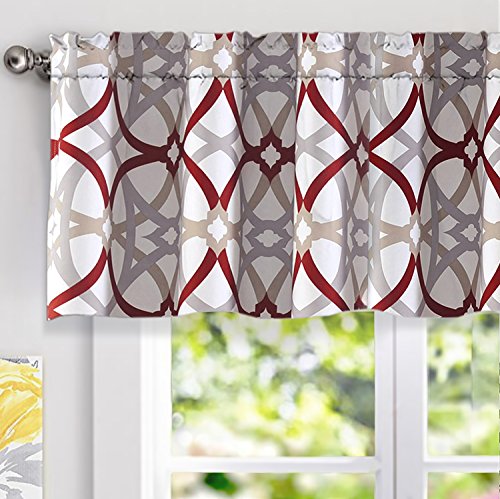
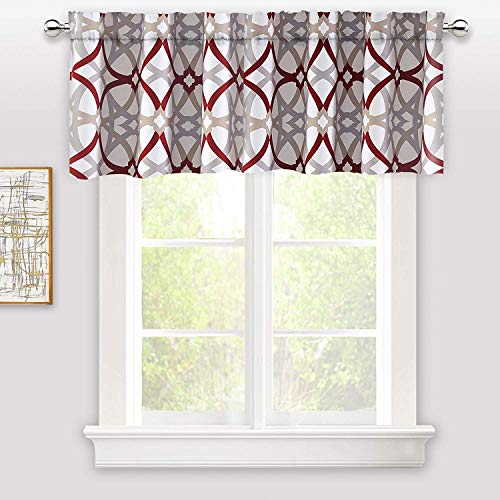
Valances come in various silhouettes, and the style you choose will dictate the 'mood' of the window. Straight valances offer a modern, minimalist look that works well in contemporary or transitional spaces. If you want something more romantic or traditional, look for scalloped edges or ruffled designs. Lunarable often provides options that feature subtle textures or patterns that can serve as the focal point of a room. When deciding, consider the scale of your window: a large, busy pattern on a small window can feel overwhelming, while a tiny, subtle pattern on a massive window might disappear entirely. Aim for a balance where the pattern complements the scale of the room.
Mounting and Installation Compatibility
One of the most critical technical aspects of buying a valance is how it attaches to your window. Most Lunarable models are designed for ease of installation, typically utilizing a rod pocket. This means the fabric is sewn with a channel that allows a standard curtain rod to slide directly through the material. Before purchasing, measure the diameter of your existing curtain rods. If your rods are exceptionally thick or decorative, you need to ensure the rod pocket width is sufficient to accommodate them without stretching the fabric too tightly, which can distort the pattern. Additionally, consider if you are mounting the valance inside the window frame or on the wall above it. This will affect how much 'drop' or length you need to achieve the desired look.
Color Coordination and Light Control
While valances are decorative, they also play a role in light management. Darker, more saturated colors in heavier fabrics can help dampen harsh sunlight and add a sense of coziness to a room. Lighter, pastel, or white valances act as reflectors, helping to bounce light into the room and making small spaces feel larger. When choosing a color, don't just match your walls. Try to create a cohesive palette. A valance can serve as a bridge between your wall color and your main curtain panels, pulling the entire window treatment together into a unified design element.
Maintenance and Longevity
Finally, consider the lifestyle of your household. If the valance is going in a high-traffic area like a kitchen or a playroom, prioritize fabrics that are machine washable and resistant to wrinkling. Some delicate fabrics may require dry cleaning or careful steaming to maintain their shape. A high-quality valance should hold its shape even after being hung for several months, so look for descriptions that mention durability and colorfastness to ensure your windows look as good in a year as they do on the day of installation.