Understanding Fabric Weight and Drape
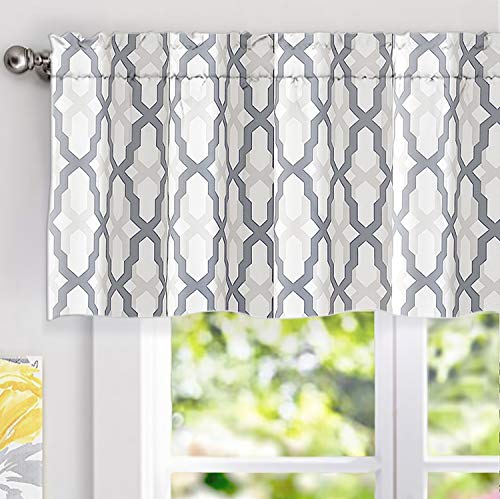
The most critical factor in selecting a driftaway valance is the weight of the textile. Because valances are often shorter and more concentrated in their visual impact, the way the fabric hangs—its 'drape'—defines the style of the room. Lightweight fabrics like linen, sheer voile, or cotton gauze create a breezy, effortless look that is perfect for kitchens, sunrooms, or coastal-themed bedrooms. These materials allow light to filter through, preventing the window from feeling closed off.
Conversely, if you want the valance to serve as a bold architectural statement, look for heavier materials such as velvet, brocade, or thick jacquard. Heavier fabrics hold structured folds more effectively, which is essential if you are opting for a pleated or tailored design. A heavy valance can act as a visual anchor in a room with high ceilings or large windows, providing a sense of luxury and permanence.
Measuring for Proper Fit and Proportion
A common mistake in window dressing is choosing a valance that is too narrow, which can make the window appear small and stunted. To achieve a professional, designer look, your valance should ideally extend several inches beyond the width of the window frame on both sides. This creates the illusion of a wider window and allows for a more graceful transition into the surrounding wall space.
When considering length, think about the height of your window treatments. If you are pairing the valance with floor-length curtains, ensure the valance sits high enough to avoid overlapping the curtain rods in a cluttered manner. If the valance is standing alone, it should be long enough to cover the top hardware completely, providing a clean finish that hides the mounting mechanism.
Hardware and Installation Styles
The method of attachment significantly impacts both the aesthetic and the longevity of the piece. Some valances are designed to slide directly onto a standard curtain rod, making them easy to swap out as you change your decor. Others require specialized mounting brackets or tension rods. If you are renting, look for lightweight fabric options that can be hung with non-permanent solutions.
Consider the 'style' of the valance as well: scalloped edges offer a traditional or romantic feel, while straight-cut or box-pleat valances lean toward contemporary minimalism. If your room features intricate crown molding, a simple, straight-edge valance will prevent the space from feeling overly busy.
Functionality: Light Control vs. Decoration
While many people view valances as purely decorative, they can play a role in light management. A thicker, more opaque valance can help mitigate glare from the sun during specific times of the day, especially if positioned to block light hitting a computer screen or television. However, if your goal is to maximize natural light, stick to translucent or open-weave fabrics. Always evaluate your room's primary purpose—be it a restful bedroom needing soft light or a bright breakfast nook—before committing to a specific fabric density.