Material Composition and Seal Integrity
The most critical factor in any wine stopper is the ability to create a vacuum or a near-perfect airtight seal. When evaluating options, look closely at the contact point between the stopper and the bottle neck. High-quality stoppers typically utilize food-grade silicone or specialized synthetic rubbers. These materials are preferred because they are non-porous, do not leach flavors into the wine, and are flexible enough to conform to the slight irregularities found in various glass bottle shapes. Avoid stoppers that rely solely on rigid plastic, as these often fail to provide a consistent seal, leading to premature oxidation. A premium stopper should feel substantial in the hand, suggesting a density that will resist pressure changes.
Aesthetic Design and Decorative Functionality
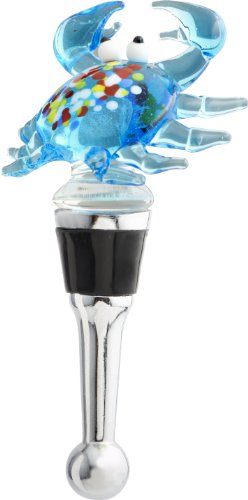
Unlike standard utilitarian kitchen tools, wine stoppers often serve as decorative accents for your bar cart or dining table. The lsarts philosophy frequently leans into artistic expression, meaning you should choose a stopper that complements your personal decor. Consider whether you prefer a minimalist, modern look—perhaps featuring sleek metallic finishes or geometric shapes—or something more whimsical and sculptural. If you are purchasing these as gifts, decorative elements like crystal-like glass accents, intricate metalwork, or themed motifs add a layer of thoughtfulness that a plain cork simply cannot match. Remember that the stopper remains visible on the table, so it acts as a piece of functional art.
Ergonomics and Ease of Use
A beautiful stopper is useless if it is difficult to insert or, more importantly, difficult to remove. When browsing different styles, consider the 'top' of the stopper. An ergonomic design features a cap or handle that allows for easy gripping. If a stopper is designed with a very small or smooth surface, you may find yourself struggling to pull it out once the vacuum seal has engaged. Look for designs that offer a tactile grip, whether through textured metal, a weighted top, or an elongated stem. This ensures that even after several days of storage, the stopper can be removed effortlessly without needing specialized tools.
Versatility Across Bottle Types
Not all wine bottles are created equal. While most standard Bordeaux or Burgundy bottles share similar neck diameters, specialty wines or sparkling varieties may differ. While most decorative stoppers are optimized for still wines, it is wise to consider if you need a versatile set. If you frequently switch between different types of spirits or wines, look for a collection that offers varying head sizes or specialized seals. A high-quality set should be robust enough to handle the daily rigors of a home bar while remaining delicate enough to be displayed during a formal dinner party.
Maintenance and Longevity
Finally, consider how easy the stopper is to clean. Because wine can leave behind sugary residues or tannins, your stopper must be easy to sanitize. Opt for materials that are dishwasher-safe or can be easily wiped down with warm, soapy water without degrading the decorative elements. Avoid designs with deep, intricate crevices where mold or wine residue could become trapped, as this can compromise both the hygiene and the flavor of your next pour.