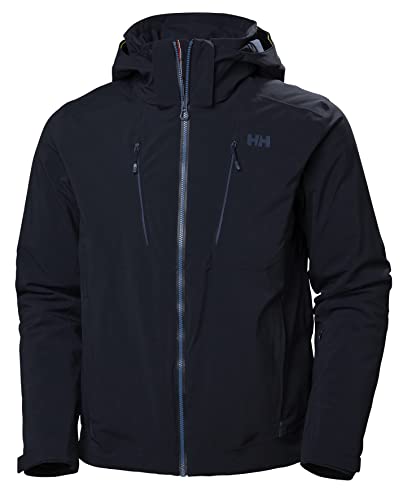
Understanding Waterproofing and Breathability (HELLY TECH®)
The most critical factor in any skiing jacket or pant is the membrane technology. Helly Hansen utilizes their signature HELLY TECH® system, which is designed to be both waterproof and breathable. When shopping, you need to distinguish between the different levels of protection. For casual resort skiers, a standard waterproof rating is sufficient. However, if you are backcountry touring or skiing in unpredictable alpine weather, look for their high-performance shells. The goal is to prevent external moisture (snow and rain) from penetrating the fabric while simultaneously allowing internal moisture (sweat) to escape. If a jacket lacks sufficient breathability, you will end up damp from your own perspiration, which leads to rapid cooling once you stop moving.
Insulation Strategies: Synthetic vs. Down
Helly Hansen offers various approaches to thermal regulation. Some pieces utilize advanced synthetic insulation, which is often preferred for skiing because it retains its loft and warmth even if it gets damp. This is a significant advantage in high-moisture environments. Other premium pieces may incorporate high-quality down for superior warmth-to-weight ratios, making them ideal for extreme cold. When deciding, consider your skiing style: if you are constantly moving (like skinning up a mountain), you might prefer a lighter, more breathable shell with minimal insulation. If you are spending long periods on cold chairlifts or in sub-zero temperatures, look for heavier, insulated mid-layers or heavy-duty parkas.
Fit and Mobility for Technical Movement
Skiing requires a wide range of motion, particularly in the hips, knees, and shoulders. A jacket that is too restrictive will hinder your ability to react to terrain, while one that is too baggy can trap excess air and lead to overheating. Look for articulated construction—this means the garments are cut to follow the natural bend of the human body in a skiing stance. Pay close attention to the 'drop tail' design often found in their jackets, which provides extra coverage for your lower back when bending over. Additionally, check for adjustable features like powder skirts, cinched waistlines, and articulated cuffs, which ensure the gear stays in place during high-intensity maneuvers.
Functional Features and Storage
A high-quality ski garment is defined by its utility. Look for specialized pockets: a dedicated lift pass pocket on the sleeve is a standard but essential convenience. Ensure the jacket has internal mesh pockets for storing electronics or valuables, and look for ventilation zippers (pit zips) under the arms. These are vital for regulating temperature without having to strip off layers. For pants, check for reinforced inner ankles to prevent ski edges from tearing the fabric, and ensure the waistbands are secure enough to hold up heavy technical layers. The presence of a high-quality powder skirt is non-negotiable for preventing snow from entering your midsection during deep turns or falls.
Decision Logic: Matching Gear to Environment
To make the final decision, match the gear to your specific 'terrain profile.' For the resort skier, prioritize comfort, style, and moderate waterproofing. For the backcountry enthusiast, prioritize extreme breathability, lightweight construction, and durability. For the extreme cold specialist, prioritize high-loft insulation and windproof membranes. By focusing on these technical pillars—membrane quality, insulation type, ergonomic fit, and functional utility—you can select Helly Hansen gear that provides reliable protection throughout the entire winter season.