Understanding Driver Types and Sound Signatures
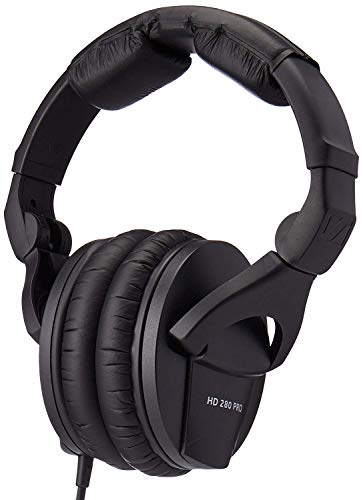
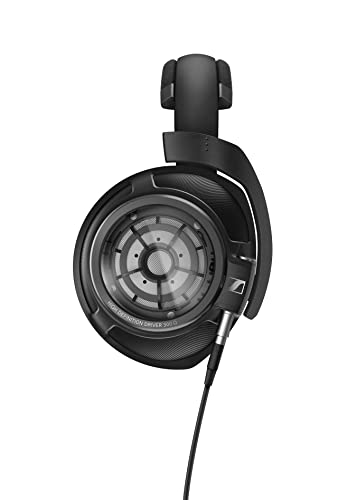
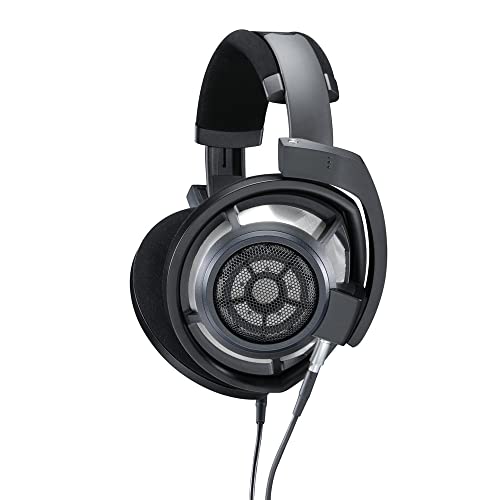
The first decision you must make is whether you prefer an open-back or closed-back design. Sennheiser is famous for its open-back models, which feature perforated earcups that allow air and sound to pass through. This creates a massive, natural soundstage that feels like the music is happening in the room around you, though it does leak sound to those nearby. These are ideal for home listening. Conversely, closed-back models provide isolation, preventing external noise from entering and your music from escaping. If you plan to use your headphones in a shared office or a noisy environment, closed-back is the mandatory choice.
Impedance and Amplification Requirements
One of the most common mistakes when buying high-end wired headphones is ignoring the impedance rating. Sennheiser offers models ranging from low-impedance consumer versions to high-impedance professional studio gear. Low-impedance headphones can be driven easily by a smartphone or a laptop. However, if you opt for their premium, high-impedance audiophile models, a standard headphone jack will likely sound thin and quiet. To unlock the true potential of these high-end drivers, you will need a dedicated headphone amplifier or a high-quality DAC (Digital-to-Analog Converter). Always check the Ohm rating before purchasing to ensure your existing gear can handle the load.
Application: Studio Monitoring vs. Critical Listening
Sennheiser’s catalog often splits between two distinct philosophies: monitoring and enjoyment. Studio monitor headphones are engineered for 'flat' frequency responses. This means they do not artificially boost the bass or treble. They tell you exactly what is in the recording, including mistakes. These are essential for mixing and mastering. On the other hand, their consumer-facing audiophile lines are tuned for musicality. These models might offer a slightly more 'fun' or 'lush' sound profile, smoothing out harsh frequencies to make long listening sessions more enjoyable. Determine if you are looking for a tool to analyze sound or a vessel to experience it.
Build Quality and Ergonomics
Because wired headphones are often intended for long-term use, the physical construction is paramount. Look for models that utilize high-grade plastics, metal tension bands, and replaceable earpads. Sennheiser is known for modularity. Many of their professional lines allow you to swap out cables or even ear cushions, extending the lifespan of the product significantly. Additionally, consider the clamping force. If you have a larger head or wear glasses, a headphone with a lighter clamping force and plush velour pads will be far more comfortable for multi-hour sessions than a tight, leather-clad studio model.
Summary of Recommendation Logic
To make your final selection, follow this logic: If you are at home in a quiet room and want the most immersive experience, go with Open-Back. If you need to block out the world, go with Closed-Back. If you are a professional producer, prioritize Flat Frequency Response. If you are a music lover with a high-end setup, look for High Impedance models to match your amplifier. By aligning these technical factors with your environment, you ensure your investment yields the highest possible sonic return.