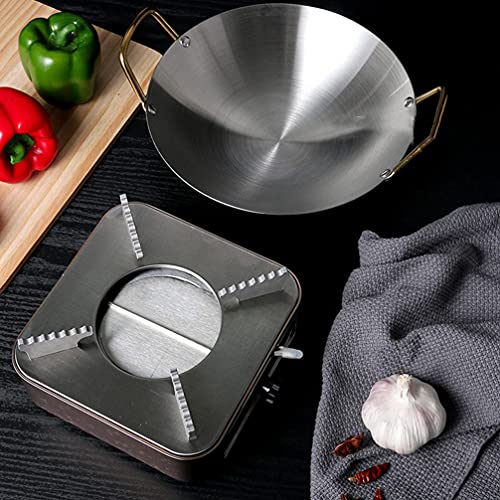
Material Matters: Carbon Steel vs. Cast Iron vs. Non-Stick
The material of your wok is the most critical decision you will make. For those seeking an authentic culinary experience, carbon steel is the industry standard. It is lightweight enough to toss ingredients easily, responds rapidly to temperature changes, and develops a natural non-stick patina over time. Cast iron woks offer incredible heat retention, making them excellent for heavy braising, but they are significantly heavier and slower to react to flame adjustments. If you are a beginner who wants immediate convenience without the learning curve of seasoning, a non-stick coated wok is an option, but be warned: these cannot withstand the extreme temperatures required for traditional high-heat stir-frying and will eventually lose their coating.
Shape and Profile: Flat Bottom vs. Round Bottom
The shape of your wok should be dictated by your stovetop. If you are using a standard electric or induction cooktop, a flat-bottomed wok is essential. It provides maximum surface contact with the heating element, ensuring even heat distribution and stability. However, if you have a professional-grade gas range with a circular burner, a round-bottomed wok is the traditional choice. Round bottoms allow for more efficient heat circulation and are designed to be used with a wok ring, which helps in the rhythmic tossing motion essential for even cooking. Using a round-bottom wok on a flat surface is nearly impossible and will result in uneven cooking and potential safety hazards.
Size and Capacity Considerations
A common mistake is buying a wok that is too small. When stir-frying, you need enough surface area to allow moisture to evaporate quickly. If the pan is too cramped, ingredients will steam in their own juices rather than searing, resulting in a soggy texture. For a household of two, a 12-inch diameter is usually sufficient, but for families or meal prepping, look for something in the 14-to-16-inch range. Ensure the depth is sufficient to contain the 'toss'—the high-arc movement of ingredients—to prevent oil splatters from escaping the pan.
Heat Conductivity and Handle Ergonomics
Because wok cooking involves constant movement, the handle is a vital ergonomic factor. Look for handles that are securely riveted and offer a comfortable grip, even when your hands are slightly oily. Furthermore, consider how the handle conducts heat. A long, sturdy handle allows you to maintain control while keeping your hand a safe distance from the intense heat rising from the base. High-quality woks will feature a thick enough base to prevent warping under sudden temperature fluctuations, a common issue in cheaper, thinner alternatives.
Maintenance and Longevity
Finally, decide how much work you are willing to put into your cookware. A carbon steel or cast iron wok is a 'living' tool that requires seasoning with oil to create a non-stick surface. This means you cannot put them in the dishwasher and must dry them immediately after washing to prevent rust. If you prefer a 'set it and forget it' lifestyle, you may lean toward stainless steel or high-end ceramic coatings, but you will sacrifice the unique flavor profile that a well-seasoned traditional wok provides.