Material Matters: Carbon Steel vs. Cast Iron vs. Non-Stick
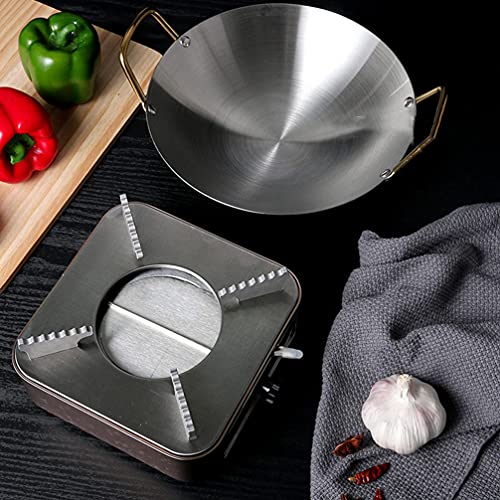
The most critical decision you will make is selecting the base material, as this dictates how the pan handles heat and how it matures over time. Carbon steel is the gold standard for professional and home enthusiasts alike. It is lightweight, responds instantly to temperature changes, and develops a natural non-stick surface known as seasoning. It is highly durable and can withstand the intense, direct heat required for high-flame cooking. Cast iron woks are incredibly heavy and excellent at retaining heat, making them ideal for those who want a pan that lasts generations. However, they are much harder to toss and require significant physical strength to maneuver. On the other end of the spectrum, non-stick coated woks are beginner-friendly and require almost no seasoning. While they are excellent for low-fat cooking, they cannot handle the extreme temperatures needed for authentic stir-frying and will eventually lose their coating, making them less versatile in the long run.
Shape and Depth: Flat Bottom vs. Round Bottom
The geometry of your wok should be dictated by your cooking surface. Round-bottom woks are the traditional choice, designed to sit atop a specialized wok burner or a ring stand. This shape allows for the most even heat distribution and the most efficient movement of food through the air, which is essential for high-heat tossing. However, if you are cooking on a standard electric or induction stovetop, a round-bottom wok will wobble and fail to heat properly. For modern kitchens, a flat-bottom wok is the practical winner. These pans provide a stable base on any cooktop while still maintaining the high walls and curved sides necessary for tossing and preventing oil splatter. When choosing, ensure the walls are high enough to contain the vigorous movement of ingredients during a stir-fry.
Size and Capacity Considerations
Size is often overlooked until you attempt to cook a full meal. A wok that is too small will cause ingredients to crowd, leading to steaming rather than frying. For a household of two to three people, a diameter of 12 to 14 inches is usually sufficient. For families or those who enjoy meal prepping, look for something in the 16-inch range. Remember that a larger diameter requires more oil and more heat to maintain the cooking temperature, so consider your stovetop's power output before opting for an oversized vessel.
Maintenance and Longevity
If you opt for carbon steel or cast iron, you must be prepared to treat your wok as a living tool. These pans require 'seasoning'—a process of applying thin layers of oil and heating them until they polymerize into a hard, slick coating. You should avoid using harsh detergents or abrasive scrubbers that strip this layer away. A simple rinse with hot water and a soft brush is usually all that is needed. If you prefer a 'set it and forget it' approach, a high-quality ceramic-coated wok can offer a middle ground, providing some non-stick benefits without the chemical concerns of traditional PTFE coatings, though they still lack the seasoning potential of metal woks.