Material Integrity and Weather Resistance
The hallmark of a quality Harley-Davidson boot is the leather. Because these boots are often intended for environments that involve wind, road debris, or unpredictable weather, you should prioritize high-grade, full-grain, or top-grain leathers. These materials offer superior abrasion resistance and develop a beautiful patina over time. Avoid synthetic 'vegan' leathers if you are looking for long-term durability in high-impact scenarios, as they tend to crack under the stress of heavy use. If you live in a rainy or snowy climate, look for boots that feature treated leathers or reinforced stitching to prevent moisture from seeping into the footbed.
Heel Height and Stability Factors
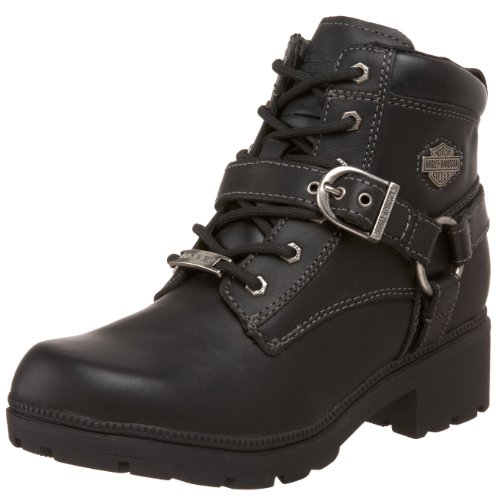
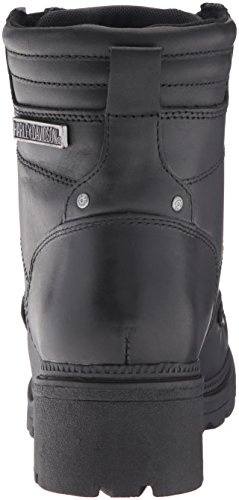
One of the biggest decision points for women's booties is the heel. Harley-Davidson offers a spectrum ranging from flat, combat-style booties to fashion-forward styles with stacked heels. If you plan to ride, a lower, wider heel is non-negotiable. A stable base provides better control when putting your feet down at a stoplight or shifting gears. For those who want a more elevated look for social settings, a block heel offers a compromise—providing height without the precarious instability of a stiletto. Always consider the 'heel-to-toe drop'. A significant difference can cause calf fatigue if you are walking long distances on hard pavement.
Hardware and Aesthetic Details
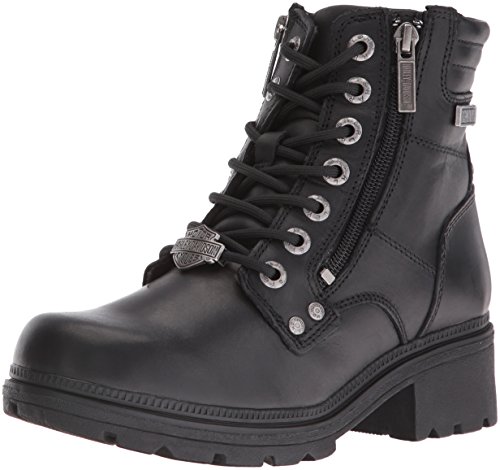
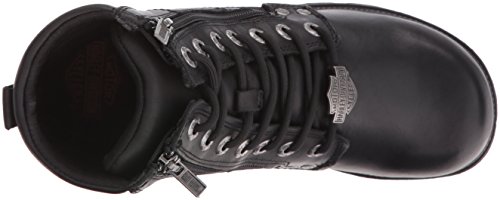
Harley-Davidson footwear is famous for its hardware. When browsing booties, pay close attention to the zippers, buckles, and eyelets. High-quality metal hardware isn't just about looks. It’s about longevity. Look for heavy-duty brass or steel components that won't snag or break under tension. From a stylistic standpoint, decide whether you want a 'distressed' vintage look or a sleek, polished finish. Distressed leathers are excellent for hiding scuffs and scratches, making them ideal for more rugged, utilitarian use, whereas polished finishes work better for a 'streetwear' aesthetic.
Ankle Support and Fit Architecture
The 'ankle boot' designation means the shaft height is critical. A boot that sits too low may feel more like a high-top sneaker, offering less protection, while a boot with a higher shaft provides better ankle stabilization. Look for interior padding around the collar of the boot to prevent chafing, especially if you are wearing them with denim or riding gear. Additionally, check the interior lining. Moisture-wicking linings are a massive advantage for preventing heat buildup and ensuring comfort during extended wear. A well-constructed bootie should feel snug around the ankle to prevent 'heel slip,' which is the primary cause of blisters.
The Recommendation Logic
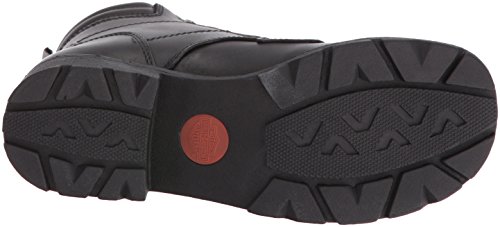
To make your final decision, categorize your primary use case. If your priority is Daily Utility, choose a flat-soled, matte leather boot with heavy lug soles for maximum grip. If your priority is Style-Forward Versatility, opt for a mid-height block heel with metallic accents that can transition from a casual lunch to a night out. Finally, if your priority is Riding Performance, focus on reinforced toe boxes and secure lace-up or heavy-zip closures that ensure the boot stays locked to your foot.