Prioritize Fabric Composition and Moisture Management
When evaluating athletic skirts, the technical properties of the fabric are your most important consideration. High-quality athletic skirts should feature a blend of nylon and spandex (elastane). Nylon provides the durability and structure needed to withstand frequent washing and intense movement, while spandex ensures the garment retains its shape and offers the necessary four-way stretch. Look for descriptions that highlight moisture-wicking capabilities. A skirt that traps sweat against your skin will become heavy, clingy, and uncomfortable during a workout. The ideal fabric should pull moisture away from the body to the surface of the cloth where it can evaporate quickly, keeping you dry and preventing chafing.
Assess the Integrated Liner (The Built-in Shorts)
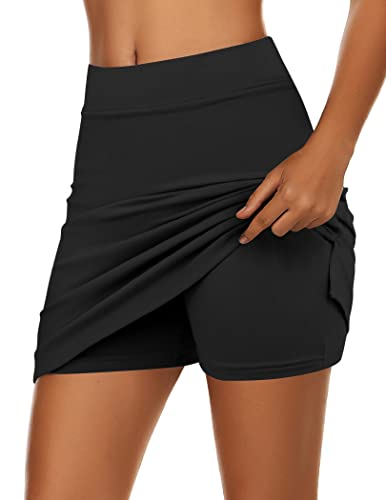
One of the defining features of an athletic skirt is the built-in compression shorts. This isn't just for modesty. It serves a functional purpose. The liner should be snug enough to prevent thigh chafing but not so tight that it restricts circulation or creates uncomfortable pressure points. Check if the liner includes a dedicated pocket. Many modern designs incorporate a small, tight pocket within the liner specifically for a smartphone or tennis balls. This is a game-changer for runners and court athletes who need hands-free movement. Additionally, ensure the liner's hemline is slightly shorter than the skirt's outer layer to prevent any awkward bunching or visible lines.
Evaluate Waistband Design and Support
The waistband is the anchor of the skirt. For high-impact activities like sprinting or jumping, a high-rise, wide waistband is generally superior. A wider band distributes pressure more evenly around your midsection, preventing the skirt from rolling down or digging in during abdominal contraction. If you prefer a more casual, lifestyle-oriented skirt, a mid-rise waistband might offer more flexibility for daily wear. Pay close attention to whether the waistband is elasticated all the way around or if it features a drawstring. A drawstring allows for a more customized, secure fit, which is essential if you have a smaller waist but wider hips.
Consider Style, Length, and Movement
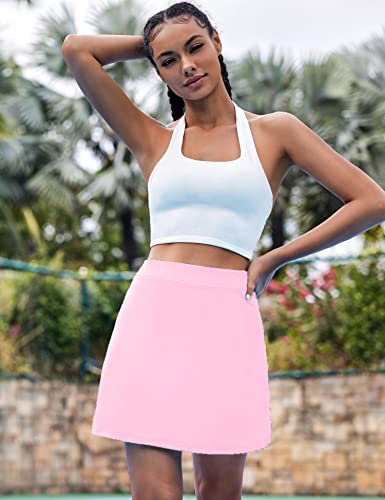
The silhouette of the skirt dictates its primary use. Pleated skirts offer a dynamic, flared look that is excellent for tennis or golf, providing maximum airflow and a classic athletic aesthetic. However, these can sometimes be more prone to catching the wind. If your focus is on running or gym workouts, a more streamlined, A-line, or straight-cut skirt may feel more aerodynamic and less distracting. Length is also a personal preference that impacts performance. A shorter skirt allows for a greater range of motion in the legs, while a slightly longer hem provides more coverage and a more conservative appearance for social settings.
Maintenance and Longevity
Finally, consider how the skirt will hold up over time. Because athletic wear is subjected to frequent laundering, look for reinforced stitching at the seams and the hem. Avoid skirts with excessive decorative embellishments that might snag or degrade in a washing machine. To extend the life of your skirt, always wash it in cold water and avoid high-heat drying, as excessive heat can break down the spandex fibers and cause the garment to lose its elasticity.