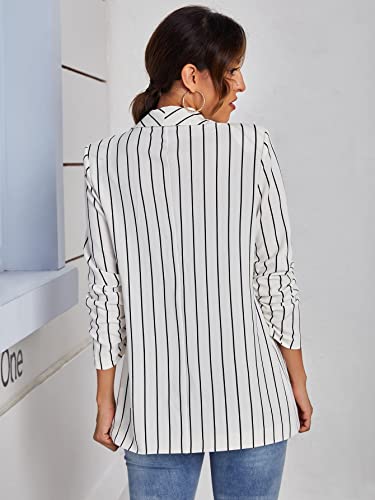
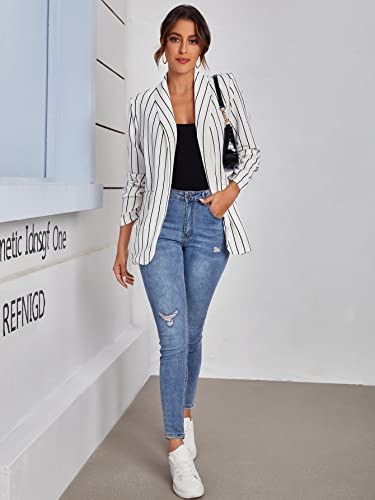
Prioritize Fabric Composition and Texture
The longevity and drape of a blazer are dictated almost entirely by its material. When browsing this category, you will encounter various blends designed to mimic high-end wool or provide the stretch of performance fabrics. For a professional setting, look for mid-weight fabrics that hold their shape. A blazer that collapses or wrinkles too easily can quickly look unpolished. If you intend to wear your blazer in warmer climates or during transitional seasons, prioritize breathable blends that offer moisture management without sacrificing the structured silhouette. Conversely, if you are layering for colder months, a slightly heavier weave provides the necessary insulation and a more commanding presence.
Evaluate the Silhouette and Cut
The 'fit' of a blazer is not a one-size-fits-all concept. You must decide whether you want a tailored, slim-fit silhouette or a more relaxed, oversized aesthetic. A slim-fit blazer is designed to contour the waist and follows the lines of the body, making it ideal for formal events or wearing under heavier coats. On the other hand, the modern trend leans toward slightly longer, boyfriend-style cuts that offer a sense of effortless chic. Pay close attention to the shoulder construction. The seam should sit right at the edge of your natural shoulder to ensure the garment looks intentional rather than ill-fitting. A drooping shoulder can make a blazer look sloppy, while one that is too tight will restrict movement and create unsightly pulling across the chest.
Consider Lapel Style and Detailings
The lapel is the focal point of any blazer and dictates its level of formality. Notched lapels are the standard, offering versatility that works for almost any occasion. Peak lapels, which point upward toward the shoulders, tend to be more formal and can create an illusion of height and a more powerful silhouette. Beyond the lapel, look at the functional details. Does the blazer feature functional buttonholes, or are they purely decorative? Are there welt pockets or flap pockets? Flap pockets are classic and professional, while patch pockets can lend a more casual, academic vibe to the jacket. Even the button material—whether it is matte resin, metallic, or covered in fabric—can shift the garment from a daytime staple to an evening statement piece.
Versatility and Color Coordination
To maximize your investment, consider how the blazer integrates with your existing wardrobe. A neutral palette of black, navy, cream, or camel provides the highest utility, allowing you to rotate the jacket through various outfits seamlessly. However, if your wardrobe is already grounded in neutrals, a textured plaid or a deep jewel tone can serve as a sophisticated accent piece. When making your decision, ask yourself: 'Can I wear this with three different types of bottoms?' If the answer is yes, you have found a winner. Always account for the lining as well. A smooth, high-quality lining ensures the blazer glides easily over blouses and knitwear without bunching.