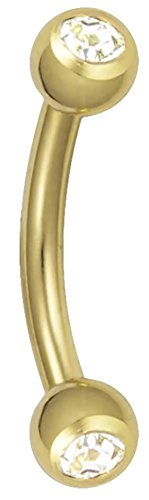
Prioritize Biocompatible Materials
The most critical factor in selecting any piercing jewelry, especially barbells, is the material composition. Because barbells often sit in high-sensitivity areas like the septum or cartilage, the metal must be non-reactive. For long-term wear, look for implant-grade titanium. Unlike surgical steel, which may contain trace amounts of nickel that cause irritation or allergic reactions in some users, implant-grade titanium is hypoallergenic and exceptionally lightweight. If you are looking for a more luxurious or 'forbidden' high-fashion aesthetic, solid 14k or 18k gold is an excellent alternative. Avoid plated metals or 'fashion jewelry' for anything other than temporary, non-pierced decorative use, as the plating can flake off into the piercing tract, causing inflammation or infection.
Understanding Gauge and Length
A common mistake in purchasing barbells is ignoring the specific gauge (thickness) and length required for your anatomy. Barbells are measured in gauges, where a lower number indicates a thicker post. For instance, a 16g barbell is thicker than an 18g. If you are choosing a barbell for a fresh piercing, you will need a longer post to accommodate natural swelling. Once healed, you can transition to a shorter, more snug-fitting barbell to prevent the jewelry from sliding or catching on clothing. When shopping, always verify the gauge against your current jewelry to ensure a seamless transition. A barbell that is too tight can cause pressure necrosis, while one that is too loose will migrate and feel uncomfortable.
Closure Mechanisms and Security
The way a barbell closes is just as important as the bar itself. For septum piercings, you will likely encounter circular barbells (horseshoes) which use captive beads. For standard body piercings, you will encounter threaded or internally threaded ends. Internally threaded barbells are the gold standard for safety and comfort. The screw mechanism is located inside the bar, meaning the smooth exterior threads don't scrape the delicate tissue of the piercing hole during insertion. If you are looking for an edgy, avant-garde look, consider barbells with decorative, oversized, or asymmetrical ends. These can transform a simple piece of hardware into a centerpiece of your personal style.
Weight and Balance for Aesthetic Impact
When selecting barbells for 'forbidden' or unconventional placements, consider the weight of the decorative ends. Heavy gemstones or solid gold spheres can pull on the piercing site, potentially causing the piercing to migrate or sit at an awkward angle. If you are opting for a statement piece with large decorative elements, ensure the barbell post is sturdy enough to support the weight. For those seeking a minimalist, 'underground' vibe, slim titanium barbells with simple ball ends offer a sleek, industrial look that emphasizes the piercing itself rather than the adornment.