Prioritizing Fabric Composition and Weight
The longevity and comfort of a casual dress are dictated almost entirely by its material. For warm-weather casual wear, look for lightweight cotton blends or linen-viscose mixes. These materials offer breathability and moisture-wicking properties, which are essential for maintaining comfort during outdoor activities. If you are looking for a dress that holds its shape throughout a long workday, prioritize jersey knits with a small percentage of elastane or spandex. This subtle stretch allows the garment to move with your body without losing its structural integrity or becoming baggy at the knees or elbows after a few hours of wear.
Understanding Silhouette and Occasion Versatility
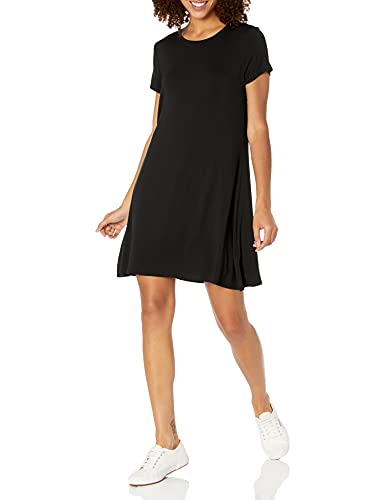
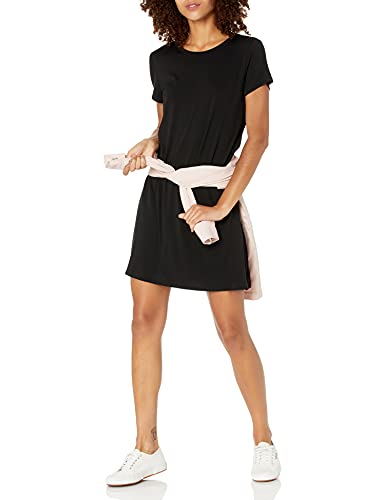
A 'casual' dress can range from a structured shirt dress to a relaxed T-shirt dress. When selecting a silhouette, consider how much versatility you require. A-line cuts are universally flattering and work well for a variety of body types, offering a balanced shape that isn't too restrictive. Shift dresses provide a more relaxed, bohemian aesthetic that is ideal for summer lounging, while wrap dresses offer an adjustable fit that can be tightened or loosened depending on your comfort level. If you intend to layer your dresses under cardigans or denim jackets, opt for slimmer-fitting silhouettes to avoid unnecessary bulk around the waist and hips.
Evaluating Construction and Practical Details
Small design elements often make the difference between a high-quality staple and a disposable garment. Pay close attention to the neckline. V-necks tend to elongate the torso, while crew necks offer a more sporty, casual vibe. Pocket integration is another critical factor. Functional side-seam pockets add a layer of utility that is highly prized in casual wear. Furthermore, examine the hemline length. Midi lengths are currently the gold standard for versatility, as they provide enough coverage for professional settings while remaining breezy enough for casual weekend outings. Always check the seam construction in product descriptions or reviews to ensure the stitching is reinforced, especially in high-stress areas like the armholes and side seams.
Maintenance and Care Requirements
Before finalizing your choice, consider your lifestyle regarding garment care. If you prefer a 'wash and wear' routine, stick to synthetic blends or treated cottons that are machine washable and resistant to heavy wrinkling. Pure linen and 100% heavy cotton may look beautiful, but they often require steaming or ironing to look polished. For a true essential, choose pieces that maintain their color vibrancy after multiple washes, as casual dresses often face frequent laundering. Look for deep, saturated tones or classic neutrals that resist fading, ensuring your wardrobe staple looks new for seasons to come.