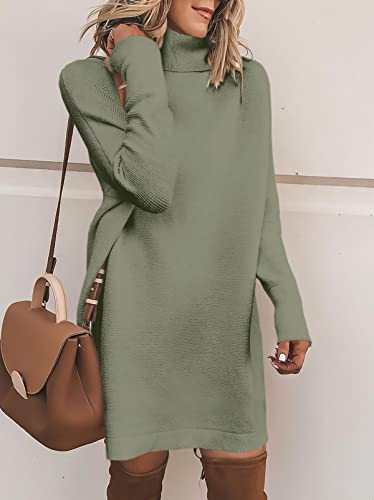
Prioritizing Fabric Composition and Breathability
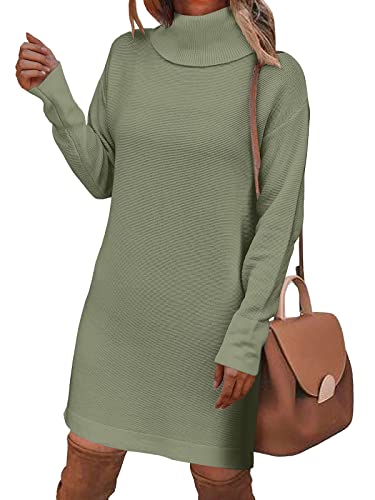
In the realm of casual wear, the fabric is the most critical decision factor. Because these dresses are designed for frequent, long-term wear, you must look closely at the material blend. For warmer months or high-activity days, prioritize lightweight, breathable fabrics like cotton blends or rayon. These materials allow for better airflow and prevent the 'clinging' sensation that synthetic, non-breathable polyesters often cause. If you are looking for a dress that holds its shape through multiple washes, a blend containing a small percentage of spandex or elastane is ideal, as it provides necessary stretch without losing the garment's structural integrity. Avoid fabrics that feel overly stiff, as they tend to wrinkle easily and can feel restrictive during casual movement.
Understanding Silhouette and Body Proportions
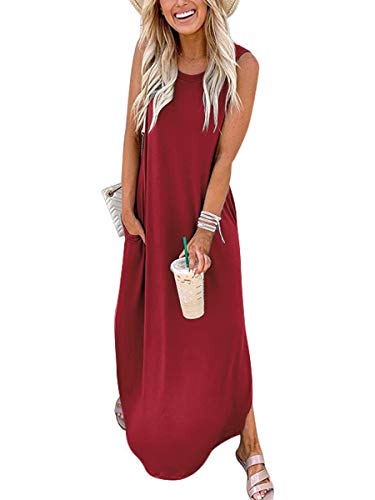
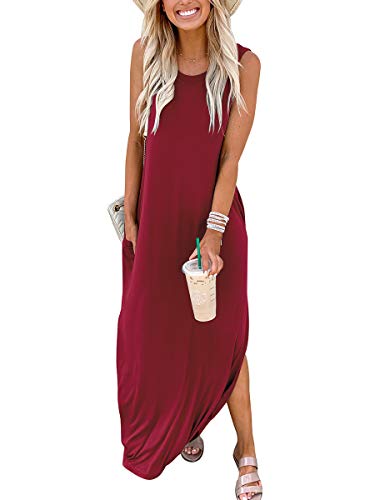
The 'casual' label covers a wide spectrum of cuts, from A-line and empire waist to bodycon and shift styles. To choose the right one, identify your primary goal for the dress. If you prefer a flattering, forgiving fit that skims the body without highlighting every curve, an A-line or empire waist silhouette is a foolproof choice. These styles cinch at the narrowest part of the torso and flare out, providing comfort around the hips. Conversely, if you want a more modern, streamlined look, a wrap-style dress offers adjustable tension, allowing you to customize the fit to your specific waist measurements. Pay attention to the hemline as well. Midi lengths offer a sophisticated, modest look suitable for various environments, while mini lengths are better suited for highly relaxed, summer-specific outings.
Evaluating Versatility and Layering Potential
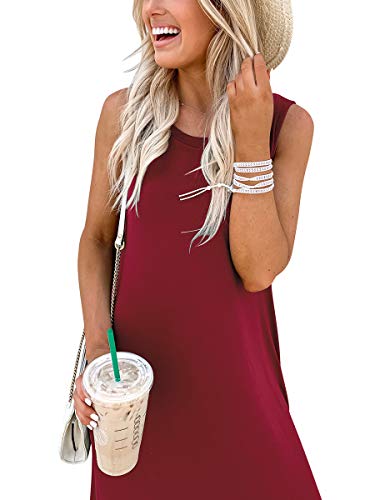
A smart shopper views a casual dress as a foundation for multiple outfits. When evaluating a dress, ask yourself: 'Can I wear this with sneakers, or only sandals?' and 'Will a denim jacket or a cardigan work over this?' Dresses with neutral patterns—such as subtle florals, polka dots, or solid earth tones—offer the highest utility. A dress that features a V-neckline or a button-down front is particularly versatile, as it allows you to play with neckline depth and layering. If the dress is sleeveless, ensure the armholes are cut high enough to provide coverage while still allowing for ease of movement. The more 'neutral' the design elements, the more you can manipulate the dress through accessories to suit different occasions.
Care and Longevity Considerations
Finally, consider the maintenance required for your chosen piece. Casual dresses are often subject to frequent laundering. Check the care instructions to see if the garment requires delicate hand-washing or if it is machine-wash friendly. High-quality casual dresses should maintain their color vibrancy and shape after several cycles. Look for reinforced stitching at the seams and hem, which is a key indicator of a garment that won't fall apart after a few months of regular use. Investing in a dress with durable construction means you will spend less time replacing basics and more time enjoying your wardrobe.