Prioritize Fabric Composition for Comfort and Longevity
When browsing casual dresses, the material is the most critical factor in determining how the garment feels against your skin and how it holds its shape after a wash. Many casual styles in this category utilize synthetic blends like polyester and spandex to achieve specific textures—such as the sleek look of a bodycon dress or the flow of a bohemian maxi. While polyester is excellent for wrinkle resistance and color retention, it can sometimes lack breathability. If you are shopping for summer casual wear, look for cotton blends or lightweight viscose that allow for airflow. If you prefer a dress with a bit of stretch that hugs your curves, ensure there is a percentage of elastane or spandex included in the fabric description.
Evaluate Silhouette and Body Type Compatibility
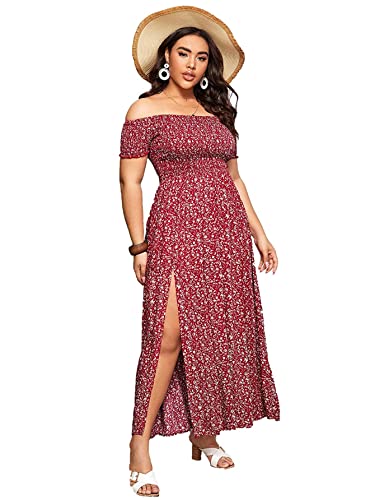
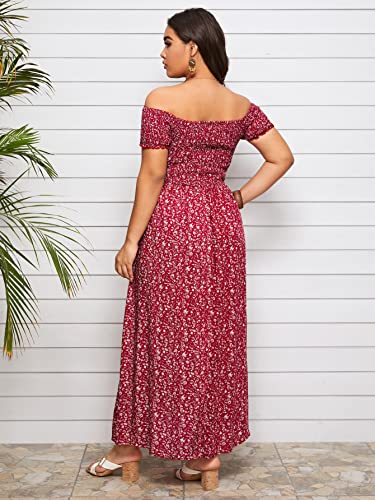
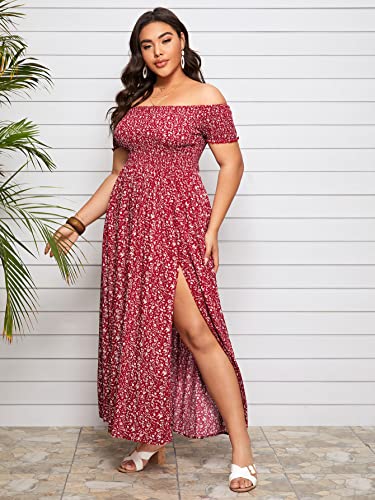
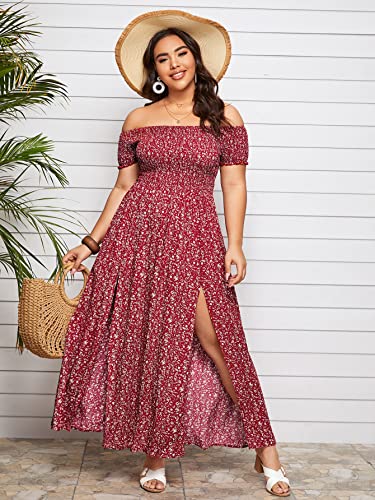
Casual dresses come in a multitude of cuts, and selecting the right one depends on how you want to frame your silhouette. A-line dresses are a universal favorite because they cinch at the waist and flare out, providing comfort around the hips and thighs. If you prefer a more relaxed, effortless aesthetic, look for smocked bodices or empire waists, which provide structure without being restrictive. For those looking to highlight their figure, wrap dresses or fitted ribbed knits offer a more defined shape. Always consider the length: midi lengths offer a sophisticated, modest casual look, while mini lengths are ideal for a youthful, energetic vibe. Pay close attention to the neckline—V-necks can elongate the torso, while square necks offer a trendy, vintage-inspired feel.
Don't Overlook Print and Pattern Versatility
One of the hallmarks of casual dressing is the use of prints. Floral patterns are a staple, but they vary significantly in scale. Small, ditsy florals tend to look more understated and are easier to dress up with a denim jacket, whereas large, bold botanical prints make a much stronger fashion statement. If you want a dress that transitions easily from a casual daytime look to a slightly more polished evening outfit, consider solid colors or subtle geometric patterns. A solid-colored casual dress acts as a blank canvas, allowing you to experiment with accessories like statement belts or layered necklaces.
The Importance of Sizing and Fit Accuracy
Because casual fashion often leans toward different global sizing standards, it is vital to approach sizing with a strategic mindset. Do not rely solely on your standard numerical size. Instead, focus on the specific measurements provided for the bust, waist, and hip. If a dress is described as 'oversized' or 'relaxed fit,' you may want to size down if you prefer a more tailored look. Conversely, if you are choosing a slim-fit jersey dress, sizing up can prevent the fabric from becoming sheer or pulling uncomfortably at the seams. Always check if the garment has adjustable elements, such as drawstring waists or tie-straps, which provide much-needed flexibility in fit.
Decision Logic: How to Choose
To make the final decision, run through this quick checklist: 1) Is the fabric appropriate for the season? 2) Does the silhouette complement my preferred level of comfort? 3) Can I style this with at least three items already in my closet? 4) Have I verified the measurements against my own body? By following these steps, you ensure that your new casual dress isn't just a one-time purchase, but a reliable staple in your seasonal rotation.