Prioritize Fabric Composition and Breathability
When shopping for casual dresses, the textile is the most critical factor in determining how the garment feels against your skin and how it holds its shape throughout the day. Many casual styles in this category lean toward lightweight blends. If you are looking for something for high-summer wear, prioritize cotton-rich blends or rayon. These materials offer superior breathability and moisture-wicking properties, which are essential for staying cool during outdoor activities. If you prefer a dress with more structure and a professional drape, look for polyester-spandex blends. These are excellent for resisting wrinkles, making them ideal for travel or long workdays where you need to look crisp without constant steaming.
Evaluate Silhouette and Body Architecture
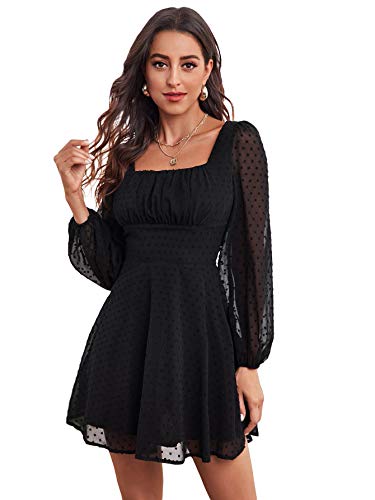
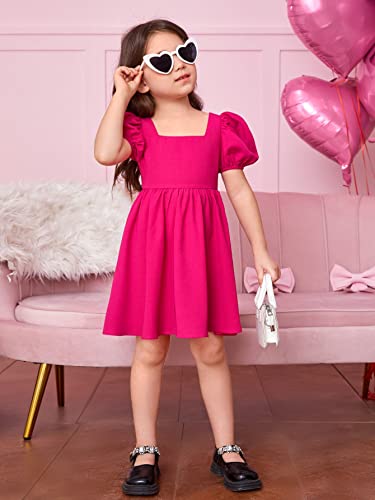
The silhouette of a casual dress dictates both your comfort level and your aesthetic vibe. For those seeking a relaxed, bohemian feel, A-line and empire waist cuts are excellent choices as they skim the body without being restrictive. If you want to define your waistline, look for wrap-style dresses or dresses with drawstring details. Wrap dresses are particularly versatile because they allow for adjustable sizing, accommodating slight fluctuations in body shape. For a more modern, minimalist look, shift dresses offer a straight silhouette that provides maximum airflow and ease of movement, making them perfect for laid-back, casual environments.
Consider Length and Occasion Versatility
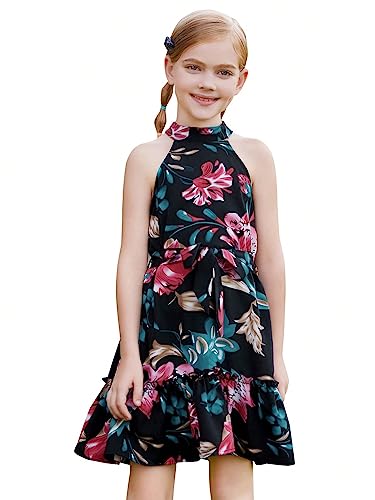
The hemline of a dress significantly impacts its versatility. Mini dresses are fantastic for casual summer outings, beach trips, or youthful, energetic looks. However, if you intend to wear your casual dress in a professional or semi-formal setting, midi or maxi lengths are much more appropriate. A midi-length dress provides a sophisticated silhouette that works well with both flat sandals and low heels. When choosing a print or color, consider the 'multi-use' factor: a solid neutral color can be dressed up with a blazer for work, while a floral print is naturally suited for weekend leisure. Thinking about how a dress can be styled in two different ways will help you maximize your investment.
Focus on Functional Details and Construction
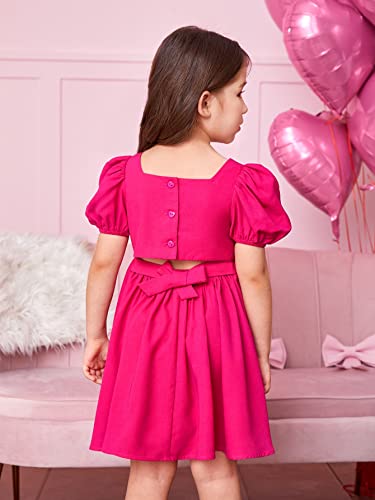
Don't overlook the small details that separate a high-quality casual dress from a poorly constructed one. Check for the presence of functional pockets—a major plus for casual wear. Examine the neckline. V-necks tend to elongate the torso, while crew necks offer a more modest, classic appearance. Additionally, pay attention to the seam construction and the quality of the stitching. In casual wear, elasticated waistbands or smocked detailing are popular for adding comfort, but ensure the elastic feels durable and doesn't look overly thin, as this can affect the longevity and 'cheapness' of the garment's appearance. By focusing on these specific technical aspects, you can select a dress that feels custom-made for your lifestyle.