Prioritize Fabric Weight and Seasonality
The most critical factor in selecting a casual jacket is determining its intended thermal utility. Makemechic designs often lean toward transitional weather, meaning you should look closely at the textile composition. If you are seeking a layer for mild evenings, opt for lightweight cotton blends or breathable synthetics that offer wind resistance without excessive bulk. For cooler autumn days, look for brushed textures or slightly heavier weaves that provide a sense of warmth without the rigid structure of a formal coat. Always check the lining. A mesh lining offers maximum breathability for active use, while a soft fleece or jersey lining provides that essential 'cozy' factor for casual outings.
Analyze the Silhouette and Fit
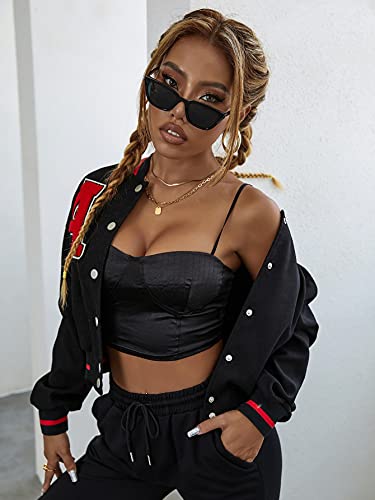
Casual jackets are defined by their fit, which dictates how versatile the piece will be. There are generally three directions you can take: the oversized/relaxed fit, the tailored/slim fit, and the cropped fit. An oversized jacket is ideal for the 'athleisure' look, allowing you to layer thick hoodies underneath, but it can sometimes overwhelm smaller frames if not styled correctly. A slim-fit jacket offers a more polished appearance, making it suitable for transitioning from a casual office environment to dinner. If you want to highlight your waistline and pair your jacket with high-waisted trousers or skirts, a cropped silhouette is the most flattering choice. When deciding, consider your primary layering needs—if you plan to wear sweaters underneath, always size up or choose a relaxed cut.
Evaluate Functional Details and Hardware
In the realm of casual wear, the details often define the longevity and ease of use of the garment. Pay close attention to the zipper quality. A smooth-gliding, heavy-duty zipper is essential for a jacket you intend to wear daily. Furthermore, consider the utility of the pockets. Deep, zippered pockets are a significant advantage for those who carry smartphones or keys while on the move. Hardware such as drawstrings at the waist or hem can also be a deciding factor. These allow you to customize the shape of the jacket, turning a boxy silhouette into a more defined, cinched look. Look for reinforced stitching around high-stress areas like the armpits and pocket corners to ensure the jacket survives frequent washing and heavy use.
Style Integration and Color Versatility
To maximize your investment, think about how the jacket interacts with your current color palette. Neutral tones like sage green, navy, sand, or classic black offer the highest level of versatility, allowing the jacket to function as a staple piece that matches almost any outfit. However, if your wardrobe is primarily composed of neutrals, a casual jacket in a muted pastel or a deep earth tone can serve as a sophisticated statement piece. When selecting a style, ask yourself if the jacket complements your most-worn bottom layers. A bomber-style jacket pairs beautifully with leggings and joggers, whereas a utility-style jacket tends to look best with denim or cargo pants.