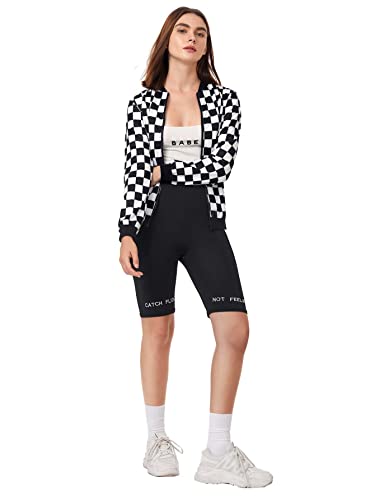
Prioritize Fabric Composition and Seasonal Versatility
The most critical decision factor when shopping for a casual jacket is the material. Since 'casual' can span from spring to late autumn, you must match the fabric to your primary climate needs. For transitional weather, look for lightweight cotton blends or high-density polyester that offers wind resistance without excessive bulk. If you are looking for a jacket that provides a bit more substance, seek out textured weaves or brushed fabrics that offer a soft hand-feel and moderate thermal retention. Avoid overly synthetic, shiny materials if you want a sophisticated, matte look that pairs well with denim or knitwear. A high-quality blend will maintain its shape after multiple washes, preventing the 'sagging' effect common in lower-quality casual outerwear.
Evaluate the Silhouette and Fit Architecture
Casual jackets live and die by their fit. Unlike formal outerwear, which often demands a structured, tailored look, a casual jacket should offer ease of movement. When reviewing options, consider the 'drop' of the shoulder. A slightly dropped shoulder provides a relaxed, bohemian vibe, whereas a set-in sleeve offers a cleaner, more athletic appearance. Pay close attention to the hemline. A cropped silhouette is excellent for pairing with high-waisted trousers and creates an elongated leg line, while a hip-length or longer cut provides more coverage and a more traditional utility aesthetic. Always check the armhole depth. If the armholes are too tight, the jacket will feel restrictive when you reach for your phone or bag.
Functional Details and Hardware Quality
The difference between a jacket that lasts one season and one that lasts five lies in the hardware. Examine the zippers and buttons closely. Smooth-gliding zippers are essential. A snagging zipper can quickly render a jacket unwearable. For a casual aesthetic, matte metal hardware or tonal buttons often look more premium than high-shine plastic. Additionally, consider the utility of the pockets. Deep, reinforced pockets are a massive plus for casual wear, allowing you to carry essentials without distorting the shape of the jacket. Look for drawstring waist adjustments or adjustable cuffs if you want the ability to customize the fit and trap heat more effectively during breezy days.
Color Palette and Styling Integration
To maximize your return on investment, choose a color that integrates with at least three of your existing outfits. Neutral tones like olive, sand, navy, or charcoal are the gold standard for casual jackets because they act as a foundation for various patterns and textures. If you prefer a more expressive look, ensure the color is a solid hue. Busy patterns on a casual jacket can sometimes clash with other layers, making the outfit look cluttered. A well-chosen color should enhance your skin tone while remaining versatile enough to be worn in various social settings, from a weekend hike to a casual brunch.