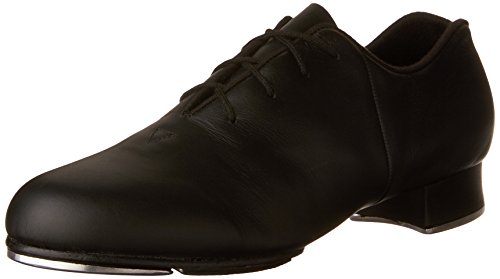
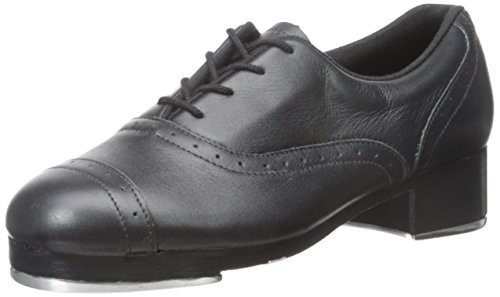
Identify Your Dance Discipline
The most critical step in selecting Bloch footwear is matching the shoe to your specific style of movement. Bloch offers specialized construction for various genres, and using the wrong shoe can lead to injury or poor technique. For ballet dancers, the choice between soft canvas slippers and satin pointe shoes is fundamental. Canvas provides more breathability and a 'grippy' feel for beginners, while satin is preferred for professional performance aesthetics. If you are moving into contemporary or jazz, you should look for shoes with more flexibility in the sole, such as split-sole designs that allow the foot to arch naturally. For ballroom or Latin dancers, the focus shifts toward suede soles that offer the perfect balance of slide and grip on wooden floors.
Understanding Sole Construction and Flexibility
The sole of a dance shoe dictates your ability to articulate your feet. Bloch offers several types of sole configurations: full sole, split sole, and canvas/fabric tops. A full sole provides more stability and support, which is often beneficial for beginners learning to find their center. However, as you progress, a split sole becomes essential. Split soles allow the toes, ball, and heel to move independently, facilitating the deep arching and pointed toes required in advanced choreography. When choosing, consider your foot strength. If you have weak arches, a more structured sole might offer necessary support, whereas an experienced dancer will likely prioritize the maximum articulation of a split sole.
Material Matters: Canvas vs. Leather vs. Satin
The material of your Bloch shoes affects both the longevity of the product and your tactile connection to the floor. Canvas is lightweight and highly breathable, making it ideal for intense rehearsals where heat management is key. Leather shoes, on the other hand, offer a 'second skin' feel. They mold to the shape of your foot over time, providing a custom fit that canvas cannot match. Leather also tends to offer more durability and a more polished look for stage performances. Satin is almost exclusively reserved for pointe work or formal ballet performances, offering a beautiful sheen but requiring more careful maintenance to avoid scuffing or staining.
Prioritizing Fit and Arch Support
In dance, a shoe that is even slightly too large can cause blisters and loss of control, while a shoe that is too tight can restrict blood flow and impede toe movement. When trying on Bloch shoes, pay close attention to the 'toe box' and the tension around the arch. The shoe should feel secure without pinching. Because dance involves constant weight shifts, ensure the heel cup holds your foot firmly in place to prevent slipping. For dancers with specific anatomical needs, such as high arches or wide metatarsals, look for Bloch models that offer varying widths or elasticated elements that provide a customized tension across the bridge of the foot.
Maintenance and Longevity
To get the most out of your investment, consider how you will maintain the shoes. Suede soles on ballroom shoes may need regular brushing to maintain their grip, while leather ballet slippers may require specific conditioners to prevent cracking. Choosing a shoe that aligns with your training frequency—whether you need a rugged rehearsal shoe or a delicate performance shoe—will ultimately determine how often you need to replace your footwear.