Understanding Fabric Composition and Longevity
When shopping for trend-forward dresses, the first thing you must scrutinize is the material list. Many dresses in this category rely heavily on polyester blends to achieve specific textures—such as the crispness required for puffed sleeves or the drape needed for a slip dress. While polyester is durable and wrinkle-resistant, it lacks breathability. If you are purchasing a dress for outdoor summer festivities, prioritize cotton blends or linen-look fabrics to avoid overheating. Conversely, if you are looking for a bodycon style that requires stretch and recovery, a high percentage of elastane or spandex is beneficial. Always check the weight of the fabric in the description. 'lightweight' often implies a sheerer material that may require a slip or specific undergarments to remain modest and structured.
Decoding Silhouettes and Aesthetic Styles
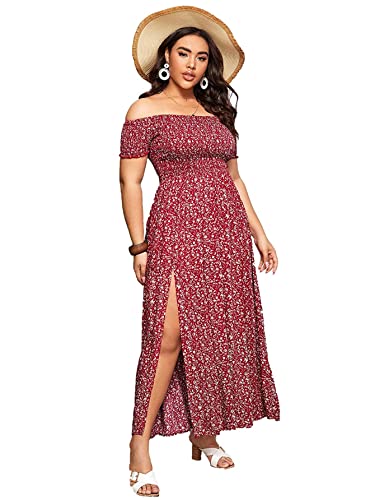
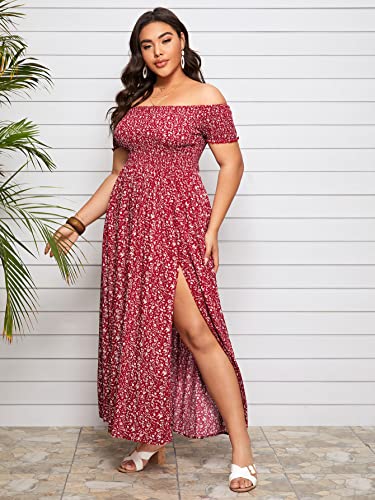
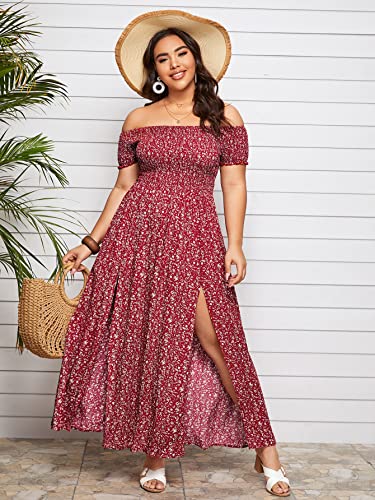
Floerns is known for its stylistic breadth, so categorizing your search is essential for efficiency. If you lean toward the 'Cottagecore' or 'Vintage' aesthetic, look for empire waists, milkmaid necklines, and floral prints. These styles are forgiving on many body types because they emphasize the narrowest part of the torso while flowing loosely over the hips. For those seeking a more modern, 'Grunge' or 'Streetwear' vibe, focus on asymmetrical hemlines, cut-out details, and darker color palettes. When choosing a silhouette, consider your movement needs: A-line skirts offer maximum mobility, whereas mermaid or pencil cuts are better suited for stationary social events where a sleek profile is the priority.
The Critical Importance of Size and Measurement Accuracy
One of the most significant hurdles in online fashion shopping is the discrepancy between standard sizing and garment dimensions. Because these dresses are often manufactured to specific aesthetic templates, a 'Medium' in one style may fit differently than a 'Medium' in another. Do not rely on your usual size. Instead, keep a soft measuring tape handy. Focus on three key areas: the bust, the waist, and the hip circumference. For dresses with minimal stretch, such as woven cotton or satin, it is often safer to size up rather than down. A dress that is too tight in the bust or hips will create unsightly pulling and distort the intended silhouette, whereas a slightly loose fit can often be tailored or cinched with a belt.
Evaluating Print Quality and Detail Accuracy
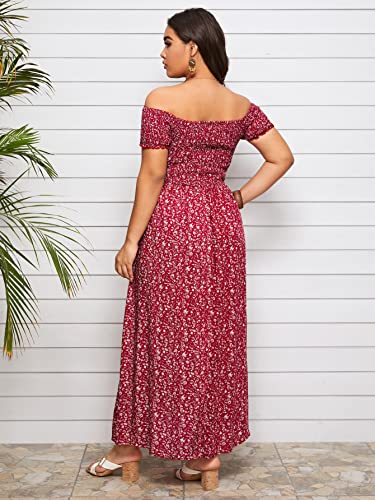
High-contrast prints—such as large florals or geometric patterns—can look stunning in photos but may appear distorted if the fabric is cut poorly. Look for reviews or detailed photos that show how the pattern aligns at the seams. Furthermore, pay attention to the 'hardware' of the dress. Details like zippers, tie-straps, and button closures are often where budget-friendly fashion cuts corners. A sturdy zipper or functional buttons add a level of perceived value and longevity to a garment. If a dress relies heavily on decorative elements like lace or ruffles, ensure the description specifies if these are sewn-in or merely appliquéd, as this affects how the dress will hold up after multiple washes.