Prioritize Fabric Composition for Longevity and Feel
One of the most critical factors in selecting a high-quality dress is understanding the textile. In trend-focused collections, you will often encounter a mix of synthetic blends designed for stretch and natural fibers designed for breathability. If you are looking for a bodycon style that maintains its shape through multiple wears, look for high-density knits or spandex blends that offer significant recovery. This prevents the dreaded 'bagging' at the knees or waist. Conversely, if you are shopping for summer sundresses or flowing maxi styles, prioritize lightweight, breathable weaves. A dress that feels heavy or overly synthetic can become uncomfortable in warmer climates, so always check the weight and texture descriptions to ensure the garment moves with you rather than against you.
Decoding Silhouettes and Body Proportions
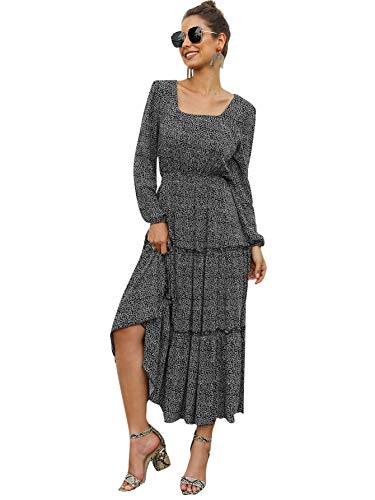
The silhouette of a dress dictates how it interacts with your frame. When browsing, categorize your needs by the 'vibe' of the cut. A-line silhouettes are universally flattering because they cinch the waist and flare over the hips, making them ideal for a sophisticated, effortless look. If you are aiming for a more edgy, modern aesthetic, look for asymmetrical hemlines or cut-out details that draw the eye to specific architectural points of the body. For those who prefer a streamlined look, slip dresses and midi-length sheath dresses offer a minimalist elegance. Pay close attention to the neckline—square necks provide a vintage, structured feel, while halter or sweetheart necklines can elongate the torso and highlight the shoulders.
Match the Occasion to the Detail Level
A common mistake is choosing a dress based solely on a photo without considering the practical setting. A dress with heavy sequin work, intricate lace, or high-shine satin is strictly an evening affair. While stunning, these pieces can feel out of place in casual daytime settings. For a versatile wardrobe, look for 'transitional' details. A ribbed knit midi dress can be dressed down with sneakers and a denim jacket for a casual outing, or elevated with heels and statement jewelry for dinner. When selecting pieces for formal events, focus on the structure of the garment—dresses with built-in support or thicker fabrics tend to hold their shape better under bright lights and during long periods of standing.
Consider the Versatility Factor
To get the most value out of your purchase, ask yourself how many ways you can style the piece. A highly patterned or neon-colored dress is a 'statement piece'—it will likely be the star of the show, meaning your accessories should remain subtle. A solid-colored dress in a neutral or jewel tone, however, acts as a canvas. You can swap out footwear and outerwear to completely change the personality of the dress. Investing in a few high-quality, versatile pieces that can be layered or reconfigured is a much smarter long-term strategy than buying numerous single-use items that only work for one specific event.