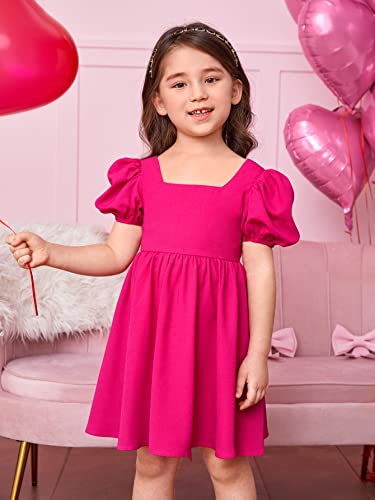
Prioritize Fabric Composition and Texture
One of the most critical factors when shopping for these dresses is the material. Since many of these styles lean toward casual and semi-formal wear, the fabric dictates how the dress will drape on your body and how much maintenance it will require. For summer-ready styles, look for lightweight, breathable blends that offer a soft touch against the skin. If you are looking for a dress that holds its shape—such as an A-line or a wrap style—ensure the fabric has enough weight to prevent excessive wrinkling. Pay close attention to the blend. A mix of cotton for breathability and a small percentage of elastane for stretch often provides the best balance of comfort and a tailored fit.
Analyze the Silhouette for Your Body Type
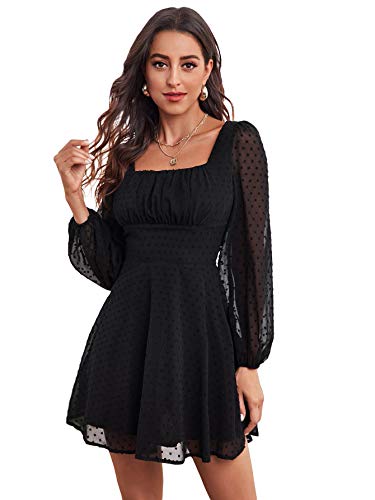
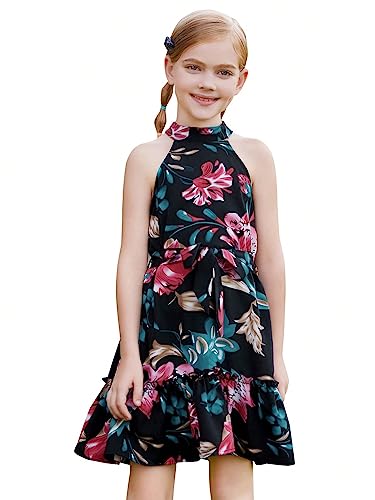
The wdirara aesthetic often utilizes classic silhouettes that can be adapted to different frames. If you prefer to emphasize your waist, look for wrap dresses or empire-waist designs that cinch at the narrowest part of the torso. For those seeking more coverage or a relaxed feel, midi-length dresses with flared skirts offer a sophisticated, flowing movement that is universally flattering. If you are selecting a dress for a professional environment, opt for structured necklines and modest hemlines. Conversely, for weekend brunch or vacation wear, you can experiment with spaghetti straps, floral prints, and more open necklines that prioritize ease of movement.
Consider the Occasion and Versatility
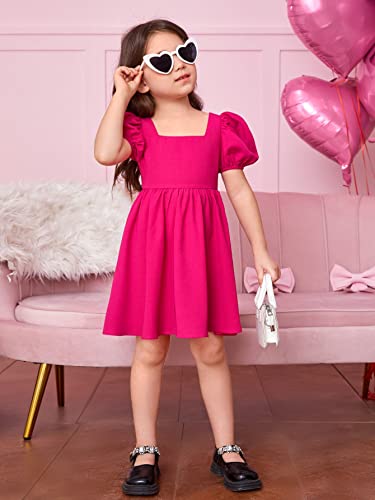
A common mistake in dress shopping is buying a piece that only works for one specific event. To build a functional wardrobe, evaluate how a dress can be styled across different scenarios. A solid-colored midi dress can be paired with a denim jacket and sneakers for a daytime look, or elevated with heels and statement jewelry for a dinner date. When browsing, ask yourself: 'Can I wear this twice in different ways?' Dresses with subtle patterns or neutral tones generally offer higher versatility than those with loud, singular graphics that limit your styling options.
Size and Fit Accuracy
Because fashion brands can vary significantly in their sizing standards, it is vital to look closely at the measurements provided. When shopping for these specific dresses, do not rely solely on your standard size. Check the bust, waist, and hip measurements against your own. If you find yourself between sizes, consider whether the fabric has significant stretch. If the dress is a woven fabric with no stretch, it is almost always better to size up to ensure comfort in the shoulders and hips, as tailoring a larger dress is often easier than attempting to let out a smaller one.
Attention to Detail and Construction
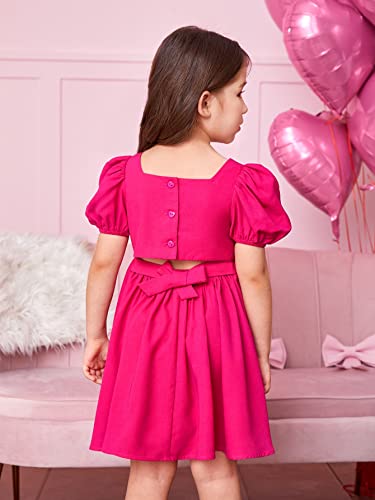
Finally, look at the small details that indicate quality. Check the descriptions for mentions of reinforced stitching, lined bodices, or functional closures like zippers and buttons. A well-constructed dress will have seams that lay flat and a hemline that is even. Details like ruffled sleeves, tiered skirts, or subtle pleating add visual interest and can help hide areas where you might feel self-conscious, making the garment feel more custom-made for your body.