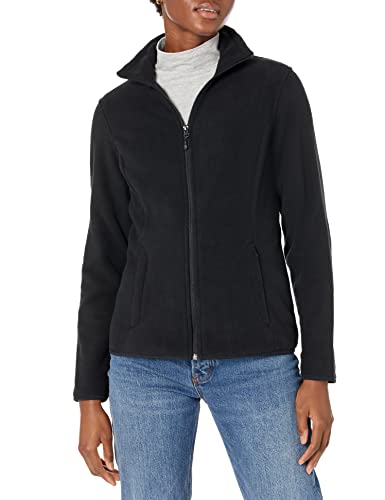
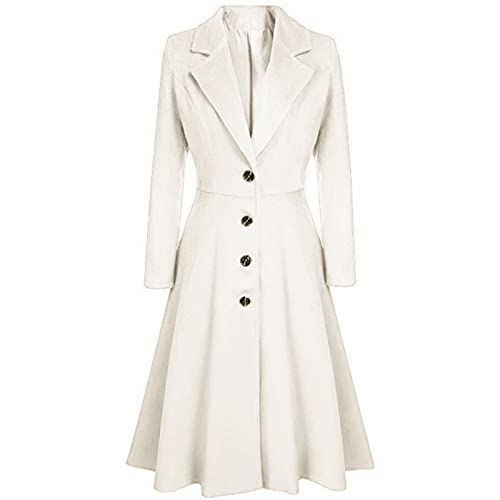
Understanding Fleece Weight and Density
Not all fleece is created equal, and the most important decision you will make is choosing the right 'grammage' or weight. Fleece is typically categorized into three levels: lightweight, midweight, and heavyweight. Lightweight fleece is ideal for layering under a shell or for active use where moisture management is key. If you are moving around a lot, you want a thinner fleece that won't trap excessive heat. Midweight fleece is the versatile workhorse, perfect for casual daily wear. However, if you are looking for a standalone coat to combat freezing temperatures, prioritize heavyweight fleece. These versions feature a higher pile (the thickness of the fabric fibers) which creates more dead air space to trap body heat.
Fabric Composition and Texture
The texture of the fleece significantly impacts both its warmth and its aesthetic. You will often encounter 'microfleece,' which has a very fine, smooth texture. This is excellent for a streamlined look and prevents the bulkiness often associated with winter wear. On the other hand, 'sherpa' or 'high-pile' fleece mimics the look and feel of sheep's wool. While much warmer and trendier, sherpa fleece can be bulkier and may require sizing up to ensure comfortable movement. Additionally, look for synthetic blends that offer durability. High-quality fleece should resist pilling (the formation of small fuzz balls) even after multiple wash cycles.
Functionality and Feature Sets
A coat is more than just fabric. Its utility depends on the hardware and design details. When evaluating women's fleece coats, consider the following:
- Pocket Configuration: For outdoor activities, zippered hand pockets are superior to open pockets, as they prevent your belongings from sliding out during movement.
- Closure Types: Full-zip designs offer the most versatility, allowing you to vent heat if you get too warm. Quarter-zip pullovers are a more relaxed, athletic option.
- Hood Availability: A fleece coat with an integrated hood provides an extra layer of protection against wind and light precipitation, whereas a collar-only design is sleeker for urban environments.
- Fit and Silhouette: Fleece is naturally voluminous. Decide if you prefer a slim, athletic fit that hugs the body for layering, or an oversized, relaxed fit that provides a cozy, loungewear feel.
Maintenance and Longevity
To ensure your fleece stays soft and insulating, avoid using fabric softeners during the laundry process. Fabric softeners can coat the fibers and reduce the material's ability to breathe and wick moisture. Instead, wash in cool water and tumble dry on low heat. A high-quality fleece coat should maintain its loft (fluffiness) over several seasons, provided it is cared for correctly. When shopping, look for reinforced stitching around the seams and high-quality zippers to ensure the garment survives the rigors of daily wear.