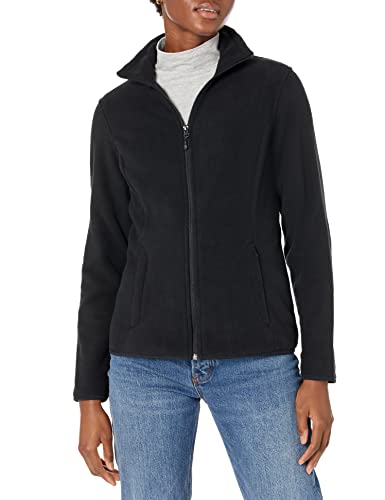
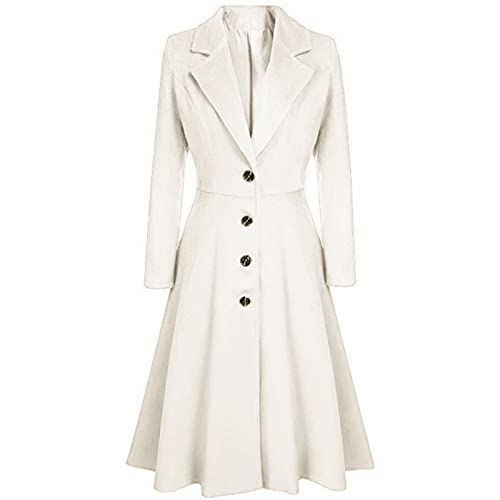
Understanding Fleece Weights and Densities
Not all fleece is created equal. The most critical decision you will make is selecting the appropriate weight for your intended use. Fleece is typically categorized by its GSM (grams per square meter), which dictates how thick and warm the fabric feels. Light-weight fleece is ideal for high-output activities like running or hiking where breathability is paramount to prevent overheating. Mid-weight fleece is the 'sweet spot' for most consumers, offering enough insulation for casual outings and moderate outdoor work. If you are searching for a coat rather than a jacket, look for heavy-weight or 'sherpa' style fleece. These denser fabrics trap more air, providing significant thermal retention for stationary activities or extremely cold environments.
Fabric Texture and Performance
The texture of the fleece significantly impacts both its aesthetic and its functionality. Microfleece offers a smooth, fine-knit surface that is excellent for layering under other clothes because it lacks bulk. On the other hand, high-pile or 'fuzzy' fleece provides a more pronounced texture that is visually cozy and exceptionally warm, though it may feel bulkier under a shell. If you plan on using your jacket for outdoor adventures, pay attention to whether the fleece is treated for moisture-wicking. High-quality synthetic fleece is designed to pull sweat away from the skin, which is vital for maintaining body temperature during physical exertion.
Fit and Layering Considerations
When shopping for women's fleece, consider how the garment will interact with your existing wardrobe. A 'slim fit' fleece is designed to sit close to the body, making it an excellent base or mid-layer for technical outdoor setups. However, if you intend to use the fleece as your primary outer layer, an 'active' or 'relaxed' fit is preferable. This allows enough room for a sweater or thermal shirt underneath without restricting your range of motion. Always check the sleeve length and shoulder width. Because fleece is a stretchy material, a fit that is too tight can sometimes lose its insulating properties by compressing the fibers too much.
Functional Details and Durability
Small design elements can make or break the utility of a fleece coat. Look for high-quality zippers—specifically those with chin guards to prevent irritation against the neck. For outdoor use, zippered hand pockets are essential for keeping essentials warm and secure. Additionally, consider the hem style. A cinched or elasticized hem helps trap heat inside the garment, whereas an open hem allows for better airflow. Finally, look for reinforced stitching at the seams and cuffs, as these are the high-stress areas most prone to wear and tear in synthetic fleece garments.
Summary Recommendation Logic
To make your final decision, match the product type to your primary environment. Choose microfleece zip-ups for active, indoor, or transitional weather use. Opt for heavy-pile, full-zip, or button-front fleece coats if your goal is maximum warmth during leisure or cold-weather commutes. By prioritizing weight and fit, you can ensure your fleece remains a staple in your wardrobe for seasons to come.