Understanding Fleece Weights and Fabric Density
The most critical decision you will make is selecting the appropriate weight of the fleece. Fleece is generally categorized by its GSM (grams per square meter), which dictates how much heat it traps. Lightweight fleece is ideal for layering under a heavier shell or for high-activity pursuits like running or brisk walking where breathability is paramount. If you choose something too heavy for high-intensity movement, you may find yourself overheating. Conversely, mid-weight and heavyweight fleeces are designed for insulation. If you are looking for a standalone coat to wear during autumn or mild winter days, look for a higher density fabric that offers a plush feel. A denser weave also tends to resist wind penetration better than thinner, more porous varieties.
Prioritizing Functionality and Features
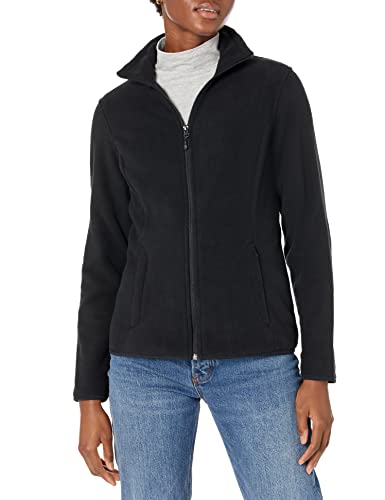
A fleece jacket is more than just a piece of fabric. Its utility is defined by its hardware and pocket configuration. When browsing, pay close attention to the zipper quality. A smooth-gliding, sturdy zipper is essential for a garment you will likely zip and unzip frequently. Additionally, consider the pocket placement. For outdoor enthusiasts, zippered security pockets are a non-negotiable feature to prevent small items like keys or cards from sliding out during movement. For those seeking casual comfort, deep fleece-lined pockets are preferable. You should also look at the cuffs and hem. Elasticized or ribbed cuffs help seal in body heat, preventing cold air from traveling up your sleeves.
Fit and Layering Logic
The silhouette of your fleece should be dictated by how you intend to wear it. If you plan to use the jacket as a mid-layer—tucking it underneath a waterproof rain shell or a heavy parka—opt for a slim, athletic fit. A bulky fleece under a tight jacket will restrict your range of motion and feel uncomfortably restrictive. However, if you intend to use the fleece as your primary outer layer, a slightly relaxed or 'oversized' fit is better. This allows for a base layer (like a thermal long-sleeve) to be worn underneath without creating pressure points. Always check if the jacket features a high collar. A fleece with a mock neck or a stand-up collar provides significantly more warmth to the neck area than a low-cut V-neck style.
Durability and Maintenance
Because fleece is a synthetic material, it is prone to 'pilling'—those small, annoying balls of fuzz that appear on the surface after friction. To extend the life of your coat, look for descriptions that mention high-quality polyester blends designed to resist pilling. From a maintenance standpoint, fleece is generally easy to care for, but it is vital to avoid fabric softeners when washing. Fabric softeners can coat the synthetic fibers, reducing their ability to wick moisture and trap heat. To keep your jacket looking new, wash it in cool water and tumble dry on low heat to maintain the loft and softness of the fleece texture.