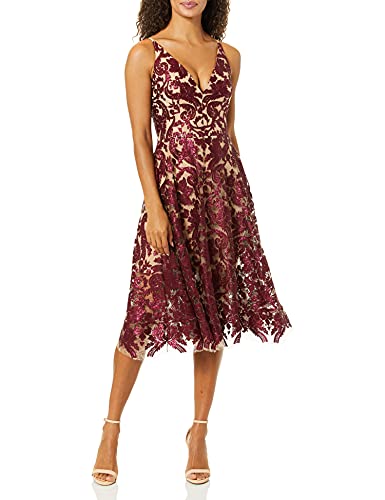
The first step in your selection process is decoding the dress code. Formalwear is not a monolith. If the invitation specifies 'Black Tie,' you should lean toward floor-length gowns in heavier, more luxurious fabrics like satin or velvet. These styles provide the necessary gravity for such prestigious events. If the event is 'Cocktail Attire,' you have more flexibility to experiment with midi-lengths, sophisticated jumpsuits, or structured sheath dresses. Dress the Population offers a diverse range of lengths, so ensure your choice aligns with the social expectations of your venue to avoid feeling underdressed or overly extravagant.
Prioritize Fabric and Structure
In formalwear, the fabric does much of the heavy lifting regarding how the dress looks under artificial lighting. For a sleek, red-carpet look, look for high-stretch crepe or heavy spandex blends that offer compression and smoothing properties. These are ideal for bodycon silhouettes. However, if you prefer a more ethereal or romantic aesthetic, seek out chiffon or lace overlays. One key thing to watch for in this brand is the weight of the fabric. A dress that is too thin may lose its shape throughout the night, whereas a well-structured bodice provides built-in support that can reduce the need for heavy shapewear. Always check the descriptions for lining. A lined dress typically offers a more polished appearance and prevents transparency under camera flashes.
Analyze Silhouette and Body Architecture
The most successful formal dress is one that works with your natural proportions rather than against them. If you have an hourglass figure, wrap-style dresses or body-hugging mermaid cuts will accentuate your waistline. For those looking to create more curves, look for dresses with ruching or pleated detailing, which adds visual volume and texture. If you prefer to highlight your shoulders, off-the-shoulder or halter necklines are excellent choices. Pay close attention to the neckline type—sweetheart necklines offer a classic romantic feel, while high necks provide a modern, sophisticated edge. Understanding how the neckline interacts with your bust and shoulder width is crucial for a balanced look.
Consider Color Theory and Lighting
Formal events often take place in dim, moody lighting or under bright, direct spotlights. Deep jewel tones like emerald, burgundy, and navy tend to look incredibly expensive and photograph beautifully in evening settings. On the other hand, lighter pastels or metallics can be stunning for daytime formal events or spring weddings, but they may appear washed out in low-light ballrooms. When choosing a color, consider your skin undertone. Warm tones thrive in gold and earth tones, while cool undertones are complemented by silver, blues, and stark blacks. Remember that the color of your dress will dictate your entire accessory palette, so choose a hue that allows you to incorporate your favorite jewelry.
Fit and Movement Logistics
A formal dress must allow for movement. You will likely be sitting for dinner, standing for toasts, and dancing. Before finalizing your decision, consider the 'sit test.' A dress that is excessively tight in the hips may ride up uncomfortably when seated. Similarly, if you choose a floor-length gown, ensure the hemline is appropriate for your height to prevent tripping. Look for features like side zippers or adjustable lace-up backs that offer a customized fit, ensuring the dress stays secure as you move through the event.