Analyze the Event's Dress Code
The first step in your selection process is decoding the invitation. Formalwear exists on a spectrum. If the event is 'Black Tie,' you should prioritize floor-length gowns with structured silhouettes and premium-feeling fabrics like satin or heavy lace. These events demand a level of drama and elegance that shorter hemlines may lack. If the code is 'Cocktail' or 'Semi-Formal,' you have more flexibility to experiment with midi-lengths, off-the-shoulder necklines, or more playful textures. Understanding this distinction prevents the common mistake of being underdressed or, conversely, appearing overly theatrical for a more subdued gathering.
Prioritize Fabric and Texture
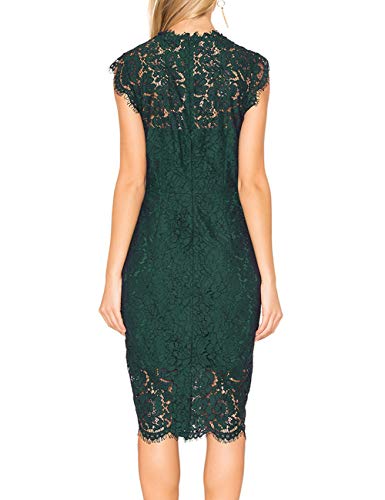
In the realm of formal dresses, the fabric dictates how the garment moves and how it catches the light. Merokeety designs often utilize materials that provide a sense of luxury. When browsing, look for velvet if you are attending a winter event, as it offers warmth and a rich, matte depth. For summer weddings or spring galas, lightweight chiffons or shimmering sequins are ideal. Pay close attention to the weight of the fabric. A high-quality formal dress should have enough substance to drape smoothly over your curves without clinging awkwardly or becoming sheer under bright event lighting. If the dress features lace, ensure the pattern is consistent and the embroidery feels substantial rather than flimsy.
Evaluate Silhouette and Body Architecture
A successful formal dress works in harmony with your body type. If you want to emphasize your waist, look for A-line silhouettes or wrap-style bodices that create a natural cinching effect. For those looking to highlight their curves, mermaid or trumpet cuts provide a striking, sculptural look. Don't overlook the importance of the neckline. A V-neck can elongate the torso, while a halter neck is excellent for showcasing the shoulders. When shopping online, pay close attention to the description of the 'stretch' factor. A dress with a small percentage of elastane will offer more forgiving movement, which is vital if you plan on dancing or sitting for long periods during a multi-course dinner.
Consider Practicality and Longevity
A great formal dress should be functional as well as beautiful. Ask yourself: How easy is it to get in and out of? Does the dress require specific undergarments, like shapewear or strapless bras, to achieve the intended look? Furthermore, consider the longevity of the style. While ultra-trendy cutouts or extreme embellishments are exciting, classic silhouettes—such as a sleek slip gown or a structured empire waist—tend to remain stylish for years, allowing you to revisit the piece for multiple special occasions. Finally, always check the construction of the closures. Zippers should glide smoothly, and hooks should feel secure to prevent any mid-event wardrobe malfunctions.