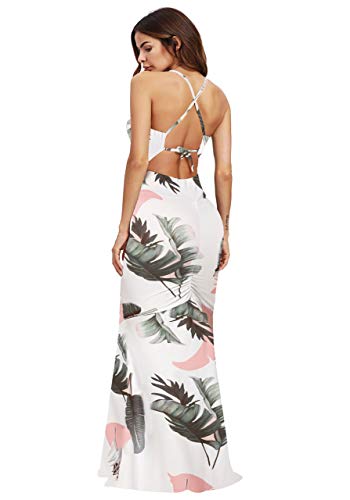
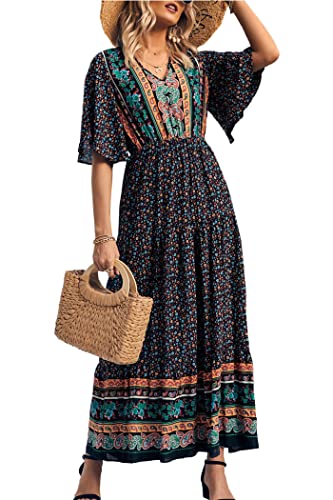
Prioritize Fabric Composition and Texture
When shopping for formal dresses in a budget-friendly category, the fabric is the single most important factor in determining how the dress will drape and how much it will cost to maintain. For high-end events like weddings or galas, look for descriptions mentioning satin, velvet, or lace. Satin provides a luxurious sheen that catches the light beautifully, but ensure the weight is sufficient so it doesn't appear overly thin or translucent. Velvet is an excellent choice for winter formal events, offering a structured, heavy drape that hides minor body imperfections. Conversely, avoid thin, jersey-style synthetics for formal occasions, as these tend to look more casual and can cling in ways that detract from a polished silhouette. If you see 'sequin' or 'beaded' in the description, check the reviews to see if the embellishments are securely attached or if they appear sparse in real-world photos.
Master the Art of Size and Silhouette Selection
One of the biggest challenges with online formalwear is the variance in sizing. Because formal dresses often feature structured bodices, corsetry, or heavy skirts, a fit that is slightly off can ruin the entire look. Pay close attention to the specific measurements provided for each item rather than relying on your standard size. If a dress features a 'smocked' back or an adjustable lace-up corset, it offers much more forgiving fit, making it a safer bet if you are between sizes. For those seeking a classic formal look, A-line silhouettes are universally flattering and provide comfort for sitting and dancing. If you are looking for a high-fashion, red-carpet vibe, consider mermaid or bodycon styles, but be aware that these require precise measurements to avoid bunching or pulling at the seams.
Evaluate Construction Details and Hardware
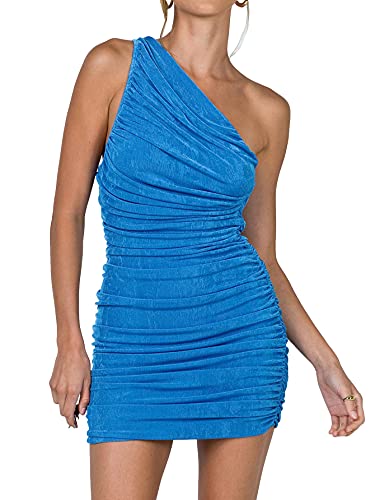
A dress's quality is often revealed in the details that aren't immediately obvious in a thumbnail image. Look for dresses that feature functional closures like hidden zippers or sturdy hook-and-eye fastenings. A flimsy zipper is a common point of failure in budget formalwear. Additionally, consider the neckline and strap construction. If you plan on wearing a specific bra, ensure the dress design accommodates it—look for built-in cups or wide enough straps for support. For formal events, details like ruching, pleating, and asymmetrical draping are not just stylistic choices. They are functional tools that add depth to the garment and help create a more sophisticated, high-end appearance.
Match the Dress to the Event's Dress Code
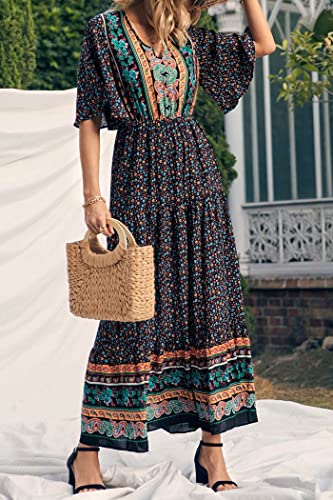
Before clicking purchase, clearly define the formality of your event. 'Black Tie' calls for floor-length gowns and more substantial fabrics. 'Cocktail' or 'Semi-Formal' allows for more playfulness with midi-lengths, slip dresses, and lighter colors. A common mistake is choosing a dress that is too casual (such as a sundress style with floral prints) for a formal setting. To ensure your choice is appropriate, cross-reference the dress's visual weight with the venue and time of day. Darker, richer tones are generally better for evening affairs, while lighter pastels or vibrant jewel tones can work beautifully for daytime formal ceremonies.