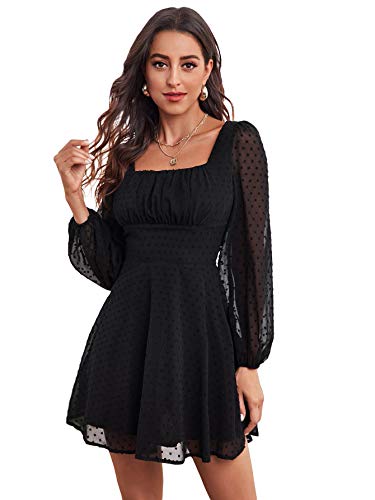
Prioritize Fabric Composition and Texture
In the realm of formal wear, the material is the most significant indicator of quality and visual impact. When browsing formal dresses, pay close attention to the weight and drape of the fabric. Satin-finish materials offer a high-sheen, glamorous look that is ideal for evening galas, but they require careful attention to fit, as they tend to highlight every line of the undergarments. Conversely, lace overlays or chiffon layers provide a softer, more romantic aesthetic that is forgiving and adds dimensional depth to the garment. If you are looking for something structured and sophisticated, seek out crepe or heavy jersey blends that hold their shape and provide a smooth, streamlined silhouette.
Understand Silhouette and Body Architecture
A successful formal dress choice depends heavily on how the cut interacts with your natural proportions. The wdirara selection often features a variety of necklines and waistlines that serve different architectural purposes. An A-line silhouette is a universal favorite because it cinches at the natural waist and flows outward, making it incredibly flattering for most body types. If you want to emphasize an hourglass figure, look for sheath or mermaid styles that follow the curves of the body more closely. Additionally, consider the neckline: V-necks can elongate the torso and create a sense of height, while halter or off-the-shoulder styles draw attention to the collarbone and shoulders, making them excellent choices for showing off statement jewelry.
Evaluate the Occasion and Dress Code
Not all formal events are created equal. A 'Black Tie' event demands a higher level of formality, often requiring floor-length gowns and more opulent fabrics. If the invitation specifies 'Cocktail Attire,' you have more flexibility to play with midi-lengths, sophisticated jumpsuits, or elegant knee-length dresses. When selecting your dress, consider the venue as well. An outdoor summer wedding calls for lighter, breathable fabrics and perhaps floral motifs or softer pastel palettes, whereas an indoor winter banquet allows for richer jewel tones like emerald, burgundy, or navy, and heavier textiles that feel more substantial.
Focus on Functional Details and Construction
The difference between a dress that looks good in photos and one that feels good to wear lies in the construction. Check for the presence of quality linings. A well-lined dress prevents transparency and helps the garment glide over the skin. Pay attention to closure mechanisms—zippers should be sturdy and smooth, and lace-up details should be even and symmetrical. Furthermore, consider the practical side of formal wear: does the dress have enough structure to support your preferred shapewear, and is the length manageable for walking and dancing? A dress that requires constant adjusting is a distraction you don't need during a formal event.