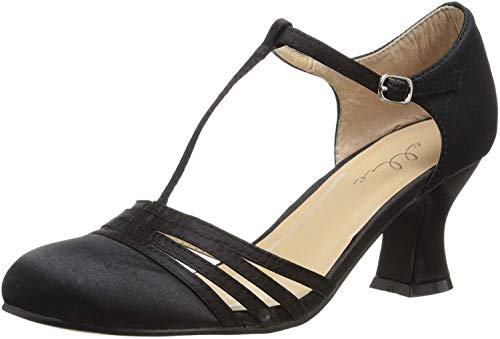
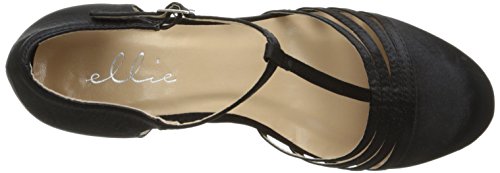
Prioritizing Heel Height and Stability
The most critical decision factor in selecting heeled sandals is the height and type of the heel. If you are searching for a sandal for extended wear—such as a wedding or a full workday—stability is paramount. Stiletto heels offer the most dramatic lift and a sophisticated profile, but they require significant ankle strength and balance. For those prioritizing comfort, look for block heels or flared heels. These provide a wider surface area, distributing your body weight more evenly across the heel and reducing the pressure on the ball of your foot. If you are new to wearing heels, a kitten heel or a mid-height wedge offers a compromise, providing a subtle lift that is much more forgiving on the arches.
Analyzing Strap Architecture and Support
The way a sandal secures to your foot dictates how much effort your muscles must exert to keep the shoe in place. Avoid sandals that rely solely on a single thin strap across the toes, as these often lead to 'toe scrunching,' a common cause of foot cramping. Instead, look for designs with ankle straps or T-straps, which provide much-needed lateral stability. An adjustable buckle or a slim wrap-around tie allows you to customize the tension, ensuring the shoe doesn't slip during movement. Pay close attention to the placement of the straps. Straps that sit higher on the instep can offer more security but may visually shorten the appearance of your legs, whereas lower-cut designs can create an elongating effect.
Material Selection: Aesthetics vs. Durability
The material of your sandals determines both the 'vibe' of your outfit and the longevity of the shoe. Synthetic leathers and high-quality vegan alternatives are excellent for maintaining structured shapes and are often easier to clean, making them ideal for frequent wear. If you are looking for a high-glamour evening look, metallic finishes or satin-wrapped heels are classic choices, though they require more delicate handling. For summer outings, breathable materials like suede or soft microfibers are preferable as they tend to mold to the shape of your foot over time, reducing the likelihood of painful blisters during the break-in period.
Evaluating the Insole and Arch Support
A common mistake in sandal shopping is focusing entirely on the exterior. A high-quality heeled sandal should feature a cushioned footbed. Look for descriptions that mention padded insoles or ergonomic arch contouring. Because heeled sandals shift your center of gravity forward, the pressure on the metatarsal heads (the ball of the foot) is intensified. A sandal with a slight built-in lift or a contoured footbed will help mitigate this pressure, allowing you to remain upright and confident throughout the event. Always consider whether the sole has sufficient grip. A smooth, plastic-like sole can be treacherous on polished marble or dance floors, so a textured outsole is a sign of a well-thought-out design.