Prioritize Heel Architecture and Height
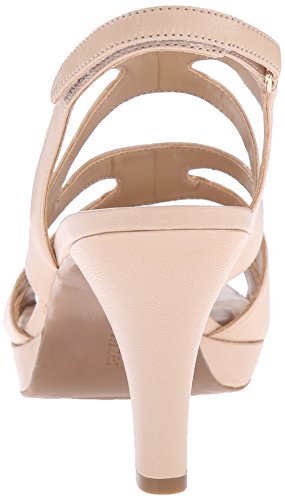
When selecting heeled sandals, the most critical decision factor is the heel type. Naturalizer offers a spectrum of heights, ranging from subtle kitten heels to more dramatic blocks. If you plan on wearing your sandals for extended durations—such as during a multi-hour event—look for block heels or wedge styles. These provide a wider surface area, which distributes your body weight more evenly and reduces the pressure on the ball of your foot. Conversely, stiletto-style sandals offer a sharper, more formal silhouette but require more core stability and foot strength. Pay close attention to the 'pitch' of the shoe. A gradual slope from the heel to the toe is much easier on the metatarsals than a steep, abrupt drop.
Evaluate Cushioning and Arch Support Technologies
The hallmark of a high-quality comfort sandal is what lies beneath the footbed. When browsing the collection, look for descriptions mentioning specialized cushioning systems. High-end comfort sandals often feature dual-density foam or memory foam layers that contour to your unique foot shape. Because heeled sandals naturally shift your weight forward, integrated arch support is non-negotiable. A well-designed sandal will have a contoured footbed that prevents your foot from sliding forward into the toe box, which is a common cause of discomfort and toe pinching. If you have high arches or flat feet, prioritize models that explicitly mention anatomical support structures.
Material Selection: Durability vs. Breathability
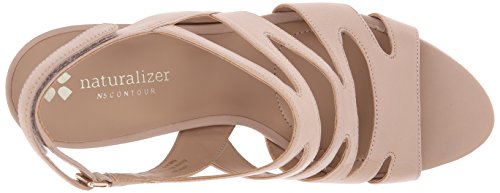
The material of your sandal dictates both its formal level and its longevity. Leather is the gold standard for heeled sandals. It is breathable, molds to the shape of your foot over time, and offers a sophisticated finish that works for both weddings and business-casual settings. Suede offers a softer, more textural look that is excellent for evening wear but requires more maintenance to avoid water damage. For a more casual, summer-ready vibe, synthetic blends may offer more flexibility, but they often lack the long-term breathability of natural hides. Always consider the strap construction as well. Adjustable ankle straps or buckle closures allow you to customize the fit, ensuring the sandal stays secure as your feet naturally swell throughout the day.
Sizing for Heel Stability
Sizing a heeled sandal is slightly different than sizing a flat sandal. Because the incline of the heel changes the way your foot sits in the shoe, you must ensure there is adequate room in the toe box to prevent crowding. A common mistake is choosing a size that is too narrow, which can lead to friction and blisters. When testing the fit, ensure your heel sits firmly in the heel cup without slipping out when you walk, and that your toes have enough space to wiggle slightly. If you find yourself between sizes, it is often better to size up and use a thin insert for a more secure fit than to struggle with a shoe that is too tight.