Fabric Composition and Stretch Dynamics
The hallmark of a quality pair of hiking pants is the fabric blend. Most high-performing options in this category utilize a combination of nylon and spandex (elastane). Nylon provides the necessary abrasion resistance to prevent snags on thorny brush, while spandex ensures the four-way stretch required for high-stepping over logs or climbing. When evaluating your options, look for a higher percentage of spandex if your hiking style involves significant vertical movement or yoga-inspired stretching. A fabric that feels too stiff will restrict your stride and lead to premature fatigue. Conversely, ensure the nylon content is high enough to maintain the structural integrity of the garment through repeated washes and rugged use.
Moisture Management and Breathability
Hiking is a high-output activity that generates significant body heat. One of the most critical decision factors is the moisture-wicking capability of the textile. You want a fabric that pulls sweat away from your skin to the outer surface of the garment, where it can evaporate quickly. This prevents the 'chilled skin' effect that occurs when you stop moving after a strenuous climb. Pay close attention to the weight of the material. Lightweight, quick-dry fabrics are ideal for summer treks and humid environments, whereas slightly heavier weaves may provide better wind resistance for cooler, high-altitude excursions. If you frequently hike in variable climates, look for pants that offer a balance of breathability and moderate thermal retention.
Pocket Configuration and Utility
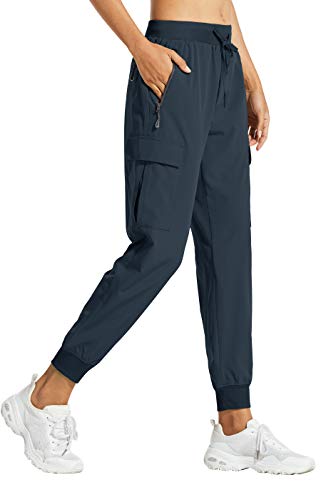
A hiking pant is essentially a mobile storage system. A functional design should offer more than just standard side pockets. Look for zippered security pockets—specifically those located on the thigh or back waistband—to ensure your phone, keys, or small tools don't slide out when you are sitting on a rock or navigating uneven terrain. The placement of these pockets is vital. If a pocket is too low, it may bounce uncomfortably against your leg while walking. Ideally, you want a combination of deep slash pockets for easy access and secure zippered compartments for high-value items.
Fit, Waistband, and Silhouette
For women, the construction of the waistband is a primary comfort factor. Look for elasticized waistbands that sit comfortably at the natural waist without digging in during heavy breathing or bending. Some designs offer a drawstring option, which is excellent for ensuring a custom fit if you are transitioning between different layers. Additionally, consider the leg cut. Straight-leg designs offer a classic look and easier integration with hiking boots, while tapered or jogger-style cuts prevent excess fabric from catching on trail debris. Ensure the rise (the distance from the crotch to the waistband) is sufficient to prevent 'plumber's crack' when you are bending over to adjust your laces or pick up gear.
Durability and Seam Construction
Finally, examine the construction quality. High-stress areas, such as the inner thigh and the seat, are prone to wear. Look for reinforced stitching or flatlock seams, which lie flat against the skin to prevent chafing. Chafing is one of the most common issues for female hikers, and high-quality seam construction can significantly mitigate this discomfort during long-distance treks.