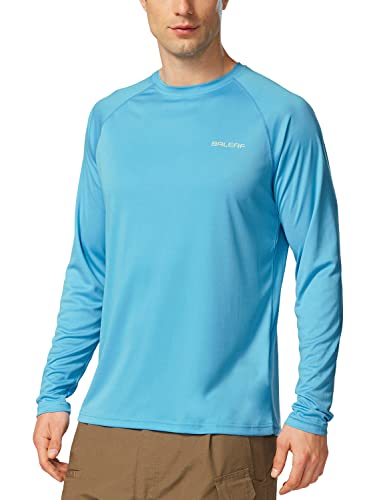
Prioritize Fabric Composition and Moisture Management
The most vital factor in any hiking shirt is its ability to move sweat away from your skin. Baleaf utilizes a variety of synthetic blends, primarily polyester and spandex, which are engineered for quick-drying performance. When browsing their collection, look specifically for 'moisture-wicking' designations. A high-quality hiking shirt should not feel heavy or sodden when you begin to sweat. Instead, it should facilitate rapid evaporation to prevent the chilling effect of damp fabric during descents or breaks. If you are hiking in high-humidity environments, prioritize thinner, more breathable weaves. For cooler, high-altitude treks, look for shirts that incorporate slightly heavier weights or brushed textures that offer a bit more thermal regulation without sacrificing breathability.
Understand the Fit: Athletic vs. Relaxed
Baleaf offers several silhouettes, and choosing the wrong one can lead to chafing or restricted movement. For high-intensity hiking or activities like trail running, an 'athletic fit' is generally superior. These shirts are designed to sit closer to the body, reducing excess fabric that can flap in the wind or catch on branches. However, if your goal is casual hiking or layering, a 'relaxed fit' provides better airflow and allows you to wear a lightweight base layer underneath. Pay close attention to the sleeve length as well. Short sleeves are excellent for heat dissipation, while long-sleeve options provide essential protection against UV rays and abrasive vegetation.
Sun Protection and UPF Ratings
Sun exposure is a constant variable on the trail. One of the smartest decisions you can make when selecting a Baleaf hiking shirt is to look for integrated UPF (Ultraviolet Protection Factor) ratings. A shirt with a UPF 50 rating provides a physical barrier against harmful UVA and UVB rays, which is far more reliable than sunscreen alone, especially when you are sweating. Long-sleeve hiking shirts with built-in sun protection are particularly valuable for long-distance treks where skin exposure is inevitable. This feature not only protects your skin but also helps regulate your body temperature by shielding you from direct solar heat.
Functional Details: Ventilation and Pockets
Beyond the fabric, look for small design details that elevate a shirt from a standard gym top to a dedicated hiking garment. Ventilation is key. Look for shirts that feature mesh inserts under the arms or along the back yoke. These strategic placements allow heat to escape from the body's most active sweat zones. Additionally, while most hiking shirts are streamlined, some models include small chest pockets or zippered compartments. While these won't replace a backpack, they are incredibly useful for stashing a lip balm, a small map, or an energy gel during a quick break. Finally, consider the seam construction. Flatlock seams are a hallmark of quality hiking gear, as they lay flat against the skin to prevent irritation during repetitive movements.