Prioritize Fabric Composition and Weight
The most critical factor in choosing a hoodie is the fabric blend. Most women's sweatshirts fall into two categories: cotton-rich blends and synthetic performance blends. If you are looking for a soft, breathable layer for lounging or light layering, a cotton-polyester blend is usually the sweet spot. The cotton provides natural breathability and softness against the skin, while the polyester adds durability and helps the garment resist shrinking and wrinkling.
Pay close attention to the weight of the fabric as well. A 'lightweight' hoodie is ideal for spring or as a base layer under a heavier jacket, whereas a 'heavyweight' fleece-lined option is essential for outdoor activities or colder climates. If you prefer a cozy, 'cloud-like' feel, look for brushed fleece interiors, which provide extra loft and heat retention.
Determine the Desired Silhouette
The cut of a sweatshirt dictates how it will function in your wardrobe. There are three primary silhouettes to consider: the slim fit, the classic fit, and the oversized fit.
- Slim Fit: These are designed to contour to the body. They are excellent for layering under denim jackets or tailored coats without adding unnecessary bulk.
- Classic Fit: This is the standard athletic cut. It offers enough room for movement without looking baggy. It is the most versatile option for general daily wear.
- Oversized/Relaxed Fit: Often characterized by dropped shoulders and extra room in the torso, this style is perfect for a streetwear aesthetic or maximum comfort during downtime.
When choosing, consider your existing wardrobe. If you own many fitted tops, a relaxed hoodie provides a nice textural contrast. If you prefer a streamlined look, stick to the classic or slim cuts.
Evaluate Functional Details
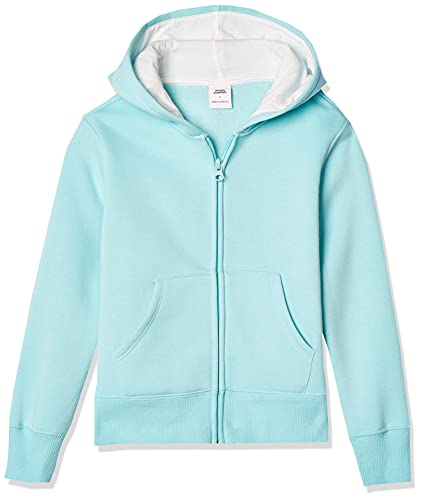
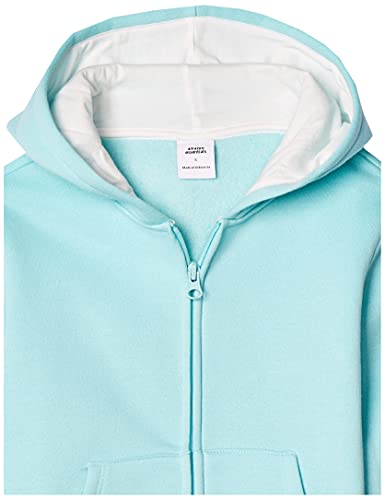
Small design elements can significantly impact the longevity and usability of your sweatshirt. First, examine the hood construction. A double-lined hood will hold its shape better and provide more warmth, whereas a single-layer hood might feel flimsy.
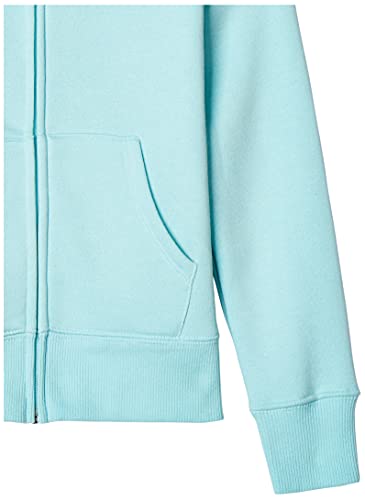
Second, look at the cuffs and hem. Ribbed cuffs and waistbands are essential for keeping heat trapped and ensuring the garment stays in place during movement. Check if the ribbing feels tight and resilient. If it feels thin, it is likely to stretch out and become 'wavy' over time. Finally, consider the pocket style. A classic kangaroo pocket is functional for warming hands, but if you prefer a cleaner look for styling, you might opt for a hoodie without a front pocket.
Maintenance and Longevity
To ensure your sweatshirts remain staples for years rather than months, look for high-density knitting. A tighter knit prevents the fabric from pilling (the formation of small fuzz balls) and ensures the color stays vibrant through multiple laundry cycles. When you receive your new hoodie, always check the care instructions. Most cotton blends perform best when washed in cold water and tumbled dry on low heat to prevent shrinkage.