Prioritizing Fabric Elasticity and Breathability
The most critical factor in a maternity button-down is the textile composition. As your body temperature fluctuates during pregnancy, heavy or purely synthetic fabrics can lead to overheating and discomfort. Look for blends that incorporate cotton for breathability and a touch of spandex or elastane for stretch. A high-quality maternity shirt should offer 'give' around the midsection without losing its structural integrity at the shoulders and sleeves. If the fabric is too rigid, you may find the buttons pulling or gaping at the chest, which detracts from a polished appearance.
Standard shirts are often cut straight down the torso, which becomes problematic as the belly expands. When shopping for maternity-specific button-downs, observe how the placket (the strip of fabric where the buttons are located) is constructed. Ideally, the shirt should feature a design that allows for vertical expansion. Check the tension of the buttons. They should be sewn securely to prevent popping under pressure. Furthermore, consider the neckline. A button-down that offers a slightly deeper V-neck or a flexible collar can prevent the sensation of being 'choked' as your ribcage expands during the later stages of pregnancy.
Sizing for Longevity: The Trimester Strategy
One of the biggest mistakes in maternity shopping is buying for your current size rather than your projected size. A shirt that fits perfectly in the first trimester may become unwearable by the third. When selecting your size, consider the 'growth buffer.' A well-designed maternity shirt should have side panels or a cut that accommodates the belly without making the rest of the garment look oversized or sloppy. If you prefer a more tailored, professional look, look for shirts that utilize clever draping techniques to mask the transition between the bust and the bump, ensuring you look put-together rather than swallowed by fabric.
Versatility and Styling Potential
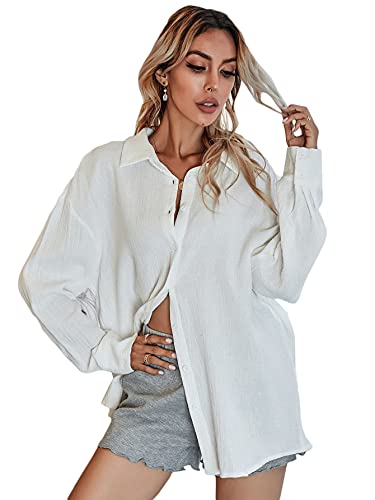
To maximize your investment, choose colors and patterns that serve multiple purposes. Solid neutrals like crisp white, soft blues, or classic stripes are highly versatile and can be layered under blazers for work or worn open over a maternity tank top for a relaxed weekend look. Pay attention to the hemline as well. A shirt with a curved hem (often called a shirttail hem) is generally more flattering as it provides coverage for the hips and backside, which can change significantly during pregnancy.
Maintenance and Durability
Maternity clothing undergoes frequent washing due to the demands of daily wear. Look for shirts that are machine-washable and resistant to excessive shrinking. Since many maternity shirts rely on stretch fibers, avoid high-heat drying, which can degrade the elasticity over time. A shirt that holds its shape after multiple washes is a hallmark of a superior maternity garment, ensuring you get maximum value out of your wardrobe throughout your entire pregnancy journey.