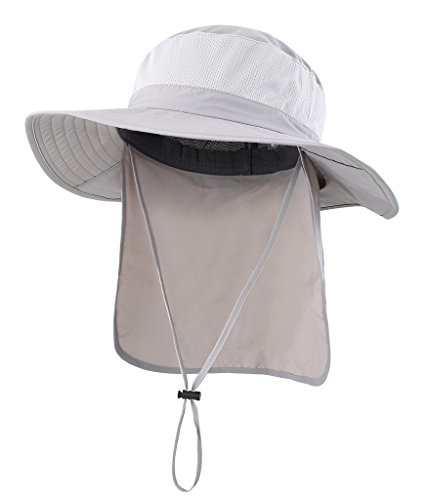
Material and Moisture Management
In the fishing world, fabric choice is paramount. You want to avoid heavy cotton caps that soak up sweat and become heavy, sodden weights on your head. Instead, look for synthetic blends like nylon, polyester, or specialized quick-dry fabrics. High-quality fishing hats often feature moisture-wicking technology that pulls perspiration away from your skin to facilitate evaporation. If you frequently fish in high-humidity environments, prioritize lightweight, breathable meshes that allow for maximum airflow. A hat that traps heat against your skull will lead to fatigue much faster than one designed for ventilation.
Sun Protection and UPF Ratings
The most important technical specification to look for is the Ultraviolet Protection Factor (UPF) rating. Standard baseball caps often leave the ears, neck, and sides of the face exposed to intense UV rays reflecting off the water. For serious anglers, a UPF 50+ rating is the gold standard, ensuring that the fabric blocks the vast majority of harmful rays. Beyond the fabric itself, consider the physical design: wide-brimmed boonies or bucket hats provide much better coverage for the neck and ears than a traditional structured cap. Some premium models even include integrated neck flaps (often called 'sun shields') that can be deployed when the sun is at its zenith.
Brim Structure and Visibility
A common mistake is choosing a hat with a brim that is too floppy or too rigid. A brim that is too soft may sag in the wind or rain, obscuring your downward vision—which is vital when you are rigging a lure or handling a fish. Conversely, a brim that is too stiff might catch the wind like a sail, pulling the hat off your head. Look for hats with a structured brim that maintains its shape. Additionally, consider the 'glare factor.' A dark underside to the brim can actually help reduce the amount of light reflecting up into your eyes from the water's surface, helping you spot surface activity more clearly.
Adjustability and Wind Resistance
Fishing environments are notoriously windy. A hat that flies off the moment a gust hits the dock is a liability. Look for headwear with secure adjustment systems, such as adjustable webbing straps, drawstring cords, or high-quality snapbacks. For those who fish from moving boats, a chin strap or 'toggle' system is highly recommended to keep the hat anchored during high-speed transits. Furthermore, ensure the fit is snug but not restrictive. You need to maintain good circulation to prevent headaches during long sessions in the heat.
Style and Versatility
While performance is king, many anglers prefer a hat that can transition from the boat to the dockside grill. If you want versatility, a high-performance trucker hat offers a balance of a structured front (good for visibility) and a mesh back (good for cooling). If your priority is total environmental protection, a wide-brimmed technical safari hat is the superior choice. Choose a color palette that complements your fishing gear—light colors like tan, khaki, or light grey are generally better for heat reflection, while darker tones may absorb more warmth but offer a more classic aesthetic.