Prioritizing Material and Texture
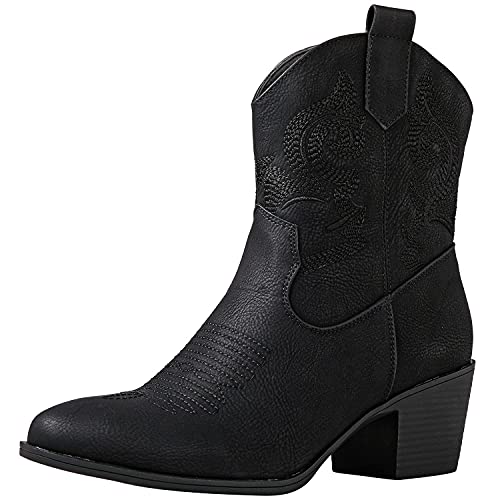
The primary factor in the longevity and look of a mid-calf boot is the upper material. In this category, you will often encounter a variety of synthetic leathers and suede-like finishes. If you are looking for a boot that can withstand light moisture and maintains a structured shape, look for high-density synthetic leather (often referred to as vegan leather) that feels substantial rather than flimsy. For a softer, more bohemian aesthetic, faux suede is an excellent choice, though it requires more maintenance to prevent water spotting. Pay close attention to the lining. A microfiber or soft textile lining will prevent the 'stiff' feeling often associated with mid-calf heights, ensuring the boot contours to your leg rather than pinching it.
Understanding the Silhouette and Calf Fit
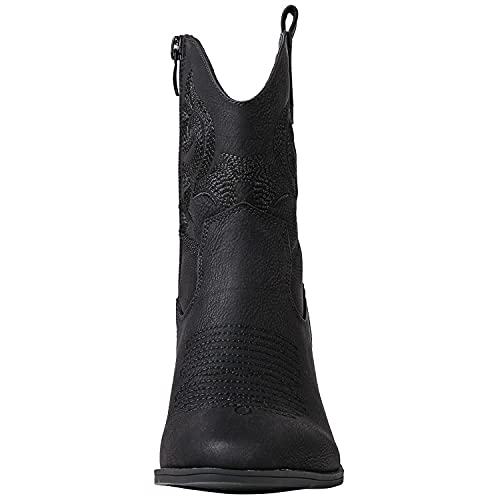
One of the most common pitfalls when buying mid-calf boots is ignoring the circumference of the shaft. Because the boot ends at the widest part of the lower leg, the fit must be precise. If the shaft is too tight, it can restrict circulation and create an unflattering silhouette. If it is too wide, it can look slouchy and unpolished. Look for designs that offer a structured shaft if you want a formal appearance, or 'slouchy' styles if you prefer a relaxed, casual vibe. If you have athletic calves, prioritize boots with elasticated side panels or stretchable materials that allow for a custom fit without sacrificing the boot's structural integrity.
Heel Height and Walking Stability
The heel determines the boot's utility. Mid-calf boots often feature block heels, kitten heels, or flat soles. For daily commuting or extended walking, a block heel is the gold standard. It provides the height elevation of a traditional heel but distributes your weight across a wider surface area, reducing pressure on the ball of your foot. If you are selecting boots for a professional setting, a modest 1-to-2 inch block heel offers elegance without the instability of a stiletto. Conversely, if your goal is purely casual comfort, a flat lug-sole boot provides a contemporary, edgy look while offering maximum traction and stability on uneven surfaces.
Evaluating Sole Construction and Traction
A boot is only as good as its foundation. Because mid-calf boots are frequently worn during transitional weather, the outsole is critical. Avoid boots with smooth, plastic-like soles, as these become incredibly slippery on wet pavement. Instead, look for rubberized outsoles with molded treads or lug patterns. A thicker, textured sole not only provides better grip but also acts as a thermal barrier between your feet and the cold ground. When testing the boot, ensure the sole is securely attached to the upper—look for clean stitching or seamless bonding that suggests the boot won't delaminate after a few months of heavy use.
Style Integration and Versatility
When making your final decision, consider your existing wardrobe. A neutral-toned mid-calf boot in black, tan, or chestnut is a versatile powerhouse that can transition from skinny jeans to midi skirts. If you want the boot to be the centerpiece of your outfit, look for hardware details like buckles, zippers, or contrasting textures. Always consider the 'break' of the boot—how it sits against your leg—to ensure it complements your height and the proportions of your trousers or dresses.