Understanding the Minimizer Mechanism
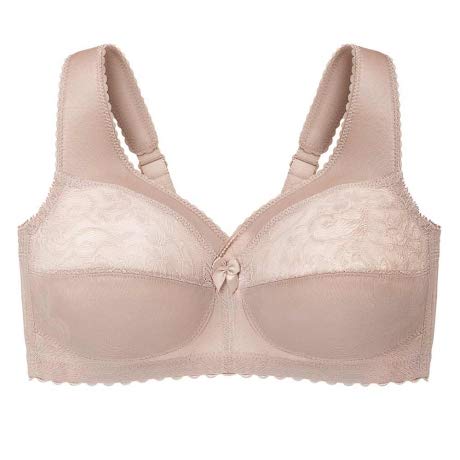
The primary goal of a minimizer is to reduce the visual volume of the bust by spreading the tissue more evenly over the chest wall. When browsing this category, look for bras that utilize non-stretch or low-stretch fabrics in the cups. If the fabric is too elastic, it will simply act as a standard bra, providing lift rather than redistribution. The most effective minimizers use a structured, multi-part cup construction that guides the tissue toward the sides of the torso, creating a flatter profile under clothing. Avoid models that rely solely on heavy padding, as this can actually increase the perceived volume rather than minimizing it.
Key Decision Factors: Support and Structure
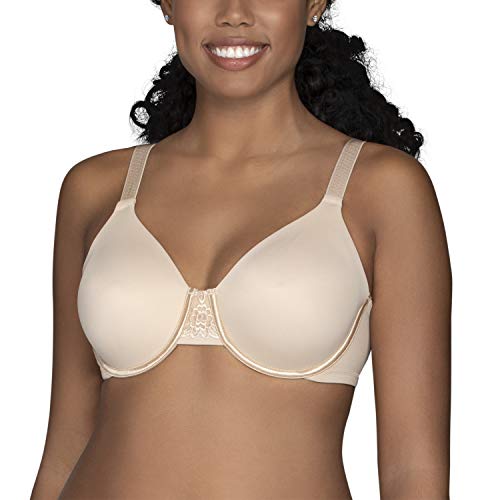
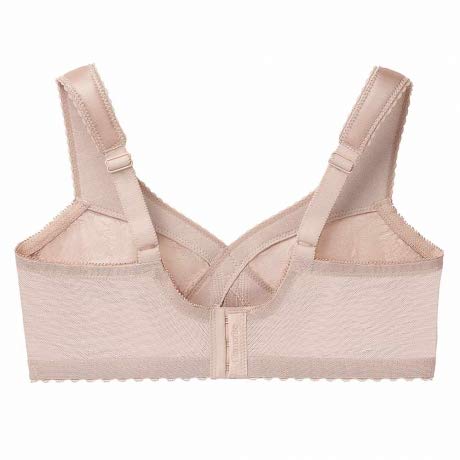
Because minimizer bras are designed to manage more mass, the structural integrity of the band and straps is paramount. A common mistake is choosing a bra with a band that is too loose. For a minimizer to work, the band must provide the majority of the support, anchoring the weight so the cups can perform their redistribution task. Look for wide, cushioned straps that distribute pressure across the shoulders to prevent digging. Additionally, check for reinforced underwires. A minimizer with a flimsy wire will fail to maintain the necessary shape, leading to a silhouette that looks uneven under tight-fitting tops.
Fabric and Comfort for All-Day Wear
Since minimizers are often worn for extended periods to achieve a specific look, fabric choice is critical. Look for breathable, moisture-wicking materials such as high-quality microfibers or smooth cotton blends. While lace and embroidery add a touch of elegance, ensure that any decorative elements are located on the wings or the top edge of the cup rather than the underside, where they might irritate the skin during movement. A smooth, seamless finish on the cups is highly recommended if you plan to wear thin knits or silk blouses, as this prevents the 'texture telegraphing' that can occur with heavy lace overlays.
Determining Your Ideal Fit
Fitting for a minimizer is slightly different than fitting a traditional bra. You are looking for a 'snug but not restrictive' sensation. The cups should completely encompass the breast tissue without any 'quad-boobing' (where the tissue spills over the top), but they should also not feel like they are crushing your ribcage. If you feel shortness of breath or significant pressure on your sternum, the cup volume is likely too small or the compression is too aggressive. Ideally, the bra should feel like a supportive hug that gently reshapes your silhouette while allowing for natural movement.
Recommendation Logic
When selecting your final option, prioritize your primary use case. If you are dressing for professional settings or formal wear, opt for a smooth, seamless microfiber minimizer that offers a streamlined profile. If you require maximum support for a larger bust, prioritize models with wider bands and reinforced side panels. Always prioritize the structural integrity of the underwire and the stability of the band over aesthetic embellishments, as the functional performance of a minimizer is entirely dependent on its ability to hold and redistribute weight effectively.