Prioritize Fabric Composition and Breathability
The most critical factor in selecting a sleepshirt is the textile blend. Because your body temperature fluctuates during different sleep cycles, the fabric must manage moisture and airflow effectively. Look for cotton-rich blends if you prefer a crisp, natural feel that absorbs perspiration, or opt for modal and rayon blends if you are seeking a buttery-soft, draped sensation that flows with your body. Avoid heavy, non-breathable synthetics that can trap heat and lead to discomfort. A premium sleepshirt will feel lightweight against the skin and maintain its softness even after multiple trips through the laundry.
Evaluate Silhouette and Length for Comfort
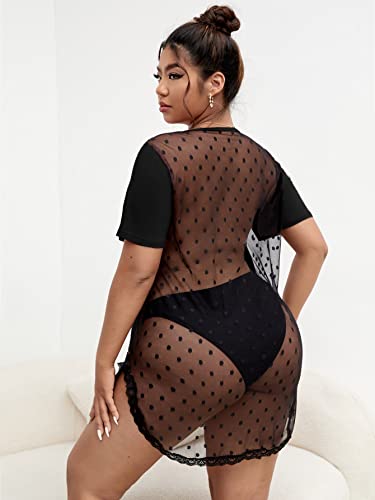
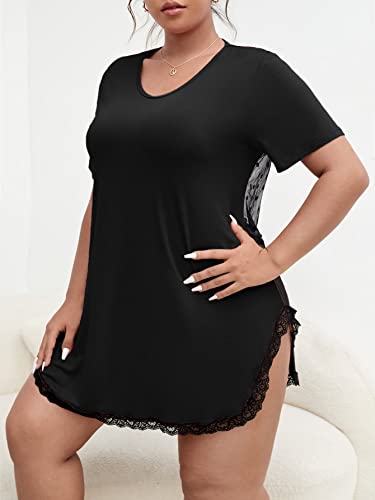
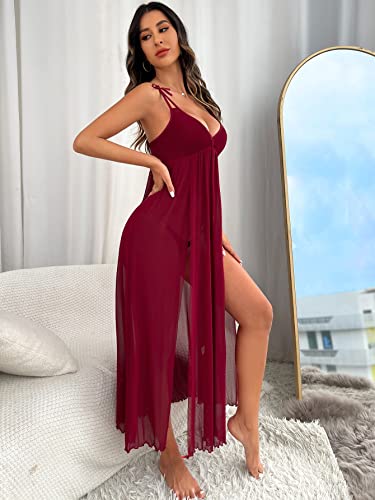
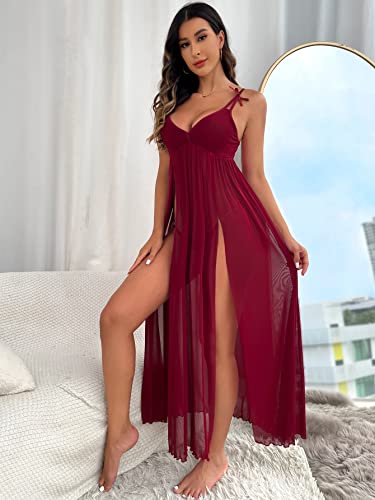
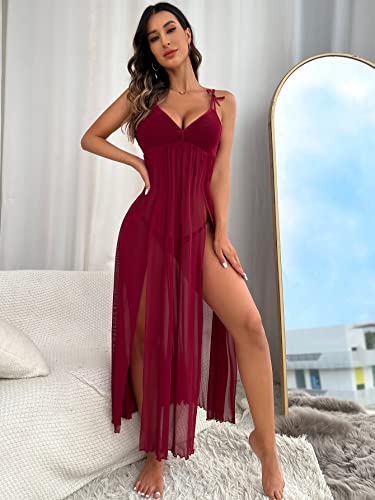
Sleepshirts vary significantly in their cut, and your choice should depend on how much coverage you desire. Some styles offer a more structured, T-shirt inspired look that is ideal for morning coffee or casual lounging, while others feature a more flowing, chemise-like silhouette. Consider the hemline: a mid-thigh length provides maximum mobility for active sleepers, whereas a longer, calf-length option offers a more modest and cozy feel. Pay close attention to the armholes and neckline. A slightly dropped shoulder or a relaxed crew neck prevents constriction when you turn on your side, ensuring that the garment doesn't pull or tug during the night.
Consider Seasonal Versatility
A versatile nightgown wardrobe accounts for the changing seasons. For warmer months, prioritize sleeveless or short-sleeved designs in lighter-colored fabrics that reflect heat. These styles allow for maximum ventilation. Conversely, for cooler climates, look for long-sleeved sleepshirts in slightly denser weaves. Some users prefer a layering approach, choosing a lightweight sleepshirt that can easily be paired with a robe or thermal leggings. When making your decision, ask yourself if this piece is a dedicated summer staple or a year-round foundational item.
Attention to Detail: Seams and Hardware
The difference between a mediocre sleepshirt and a high-end one often lies in the construction. Inspect the interior seams. They should be smooth and flat to prevent skin irritation or 'digging' while you sleep. If the design includes decorative elements like lace trim or delicate embroidery, ensure they are securely attached and soft to the touch. Avoid designs with heavy zippers or bulky buttons near the chest or back, as these can create pressure points that disrupt sleep. A well-constructed sleepshirt should prioritize seamless comfort over purely ornamental flourishes that might compromise your rest.
Sizing for Relaxation
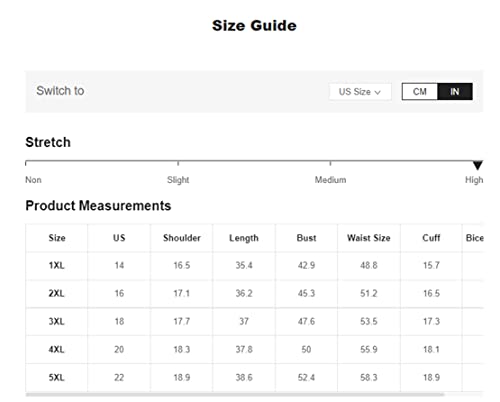
When selecting your size, remember that sleepwear should never be restrictive. If you are between sizes, it is almost always better to size up. A slightly oversized fit allows for better air circulation and prevents the fabric from clinging to your body, which can be distracting. A relaxed fit also accommodates the natural expansion of the body during deep sleep, ensuring you remain comfortable from dusk until dawn.