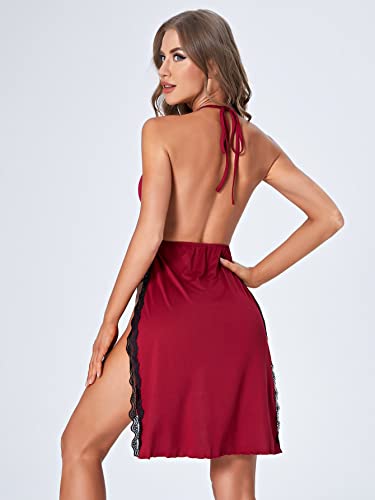
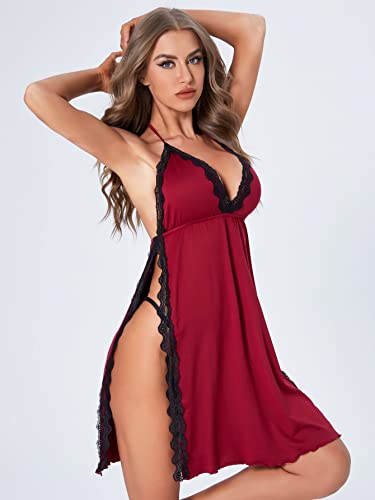
Prioritize Fabric Composition and Breathability
The most critical factor in selecting a sleepshirt is the textile. Since your body temperature fluctuates during sleep, the fabric must manage moisture and airflow effectively. Many high-quality sleepshirts utilize cotton blends or soft modal, which offer a gentle touch against the skin without the stiffness of heavy synthetics. If you tend to sleep hot, look for lightweight, breathable weaves that allow for ventilation. Conversely, if you prefer a cozy, cocoon-like feeling, look for brushed fabrics or slightly thicker knits. Avoid overly heavy or non-breathable synthetic materials that might trap heat and lead to discomfort during the night.
Evaluate the Silhouette and Hemline Length
The defining characteristic of a sleepshirt is its length. Unlike a standard chemise, which might end at the upper thigh, a sleepshirt typically offers more coverage, often reaching mid-thigh or even just above the knee. When choosing your style, consider how much coverage you prefer. A shorter hemline offers more freedom for leg movement and a more casual, 't-shirt' aesthetic, whereas a longer hemline provides a more traditional nightgown feel and extra modesty. Pay close attention to the 'drop' of the shoulder and the width of the torso. A sleepshirt should feel airy rather than tight. If the garment is too narrow in the hips, it will bunch up as you turn in bed, disrupting your sleep cycle.
Consider Neckline and Sleeve Versatility
The neckline and sleeve design significantly impact both the comfort level and the versatility of the garment. V-necks and scoop necks are popular because they prevent the fabric from feeling restrictive around the collarbone, which is vital for side sleepers. For those who prefer a more modest or cozy approach, crew necks or high-neck styles can provide a sense of security. Regarding sleeves, short sleeves or sleeveless designs are ideal for warmer climates and prevent overheating. However, if you enjoy lounging in air-conditioned environments, a three-quarter sleeve or a relaxed short sleeve can provide that extra layer of warmth without being cumbersome.
Attention to Construction and Detail
Small details can make the difference between a garment that lasts one season and one that lasts for years. Inspect the stitching, particularly at the side seams and the hem. Because sleepwear undergoes frequent washing, reinforced seams are essential to prevent fraying. Additionally, consider the presence of lace accents or decorative embroidery. While these add a touch of femininity and elegance, ensure they are soft to the touch. Scratchy lace against the skin can be a major deterrent to sleep quality. Finally, check the elasticity of any waistbands or necklines to ensure they provide shape without digging into your skin.
Recommendation Logic: How to Decide
To make your final decision, categorize your primary sleep need. If your goal is maximum relaxation and ease of movement, opt for a lightweight, short-sleeved cotton blend with a relaxed hem. If you are looking for a piece that doubles as loungewear for hosting guests or relaxing around the house, choose a longer silhouette with more refined details like soft lace trim or a more structured neckline. Always prioritize the softness of the fabric over the complexity of the pattern, as comfort is the ultimate metric of success in sleepwear.