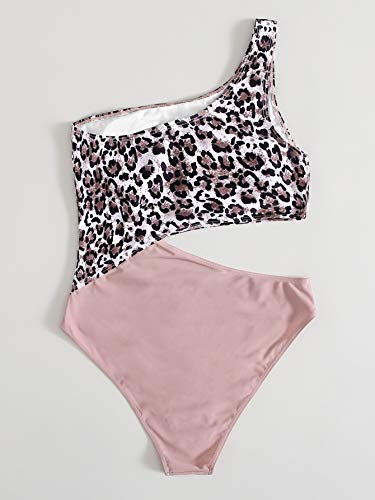
Prioritize Fabric Composition and Durability
The longevity of a swimsuit is dictated almost entirely by its material blend. For the sweatyrocks enthusiast, you want to look for high-density nylon or polyester blends infused with a significant percentage of elastane (Spandex/Lycra). High elastane content ensures the suit retains its shape after multiple exposures to chlorine and salt water. Avoid thin, overly translucent fabrics that lose their structural integrity when wet. A premium one-piece should feel substantial to the touch. This weight prevents the 'sagging' effect that often occurs after an hour of swimming and ensures the suit provides a flattering, sculpted silhouette.
Evaluate the Cut and Support Architecture
The 'best' swimsuit is entirely subjective to your body shape and intended activity. If your primary goal is sunbathing and light lounging, you might gravitate toward high-cut legs and plunging necklines that emphasize the silhouette. However, if you plan on swimming laps or playing beach volleyball, you must prioritize support architecture. Look for internal linings, built-in shelf bras, or underwire elements that provide lift and stability. Pay close attention to the strap design: wide straps offer better weight distribution for larger busts, while thin spaghetti straps provide a more delicate, fashion-forward aesthetic but may require more frequent adjustment.
Consider the Back Design for Functionality
The back of the swimsuit is often overlooked, yet it is critical for both comfort and tanning. An open-back design is visually striking and excellent for minimizing tan lines, but it offers less stability for high-impact movement. Conversely, a racerback or a cross-back design provides superior tension, keeping the suit anchored to your torso even when you are diving into the water. When choosing, consider your 'tanning strategy' versus your 'activity level.' A tie-back design offers adjustability, allowing you to customize the tightness, which is a significant advantage for varying body shapes throughout the day.
Color Fastness and Pattern Longevity
Since swimwear is subject to intense UV exposure, the quality of the dye is paramount. Vibrant, solid colors are classic, but they can show signs of fading or 'salt spotting' if the fabric quality is low. If you opt for bold prints or intricate patterns, ensure the print is sublimation-dyed into the fabric rather than just printed on the surface. This ensures that the pattern remains crisp and vibrant even after several seasons of sun and sand. A high-quality piece will maintain its color depth, preventing that washed-out look that characterizes cheaper alternatives.
The Importance of Lining and Opacity
A common pitfall in swimwear shopping is failing to account for how the fabric behaves when saturated. Always check if the one-piece features a full interior lining. A double-layered front is non-negotiable for maintaining opacity and providing a smooth finish. A well-lined suit prevents the fabric from clinging awkwardly to the body and provides an extra layer of protection against the elements, ensuring you feel confident whether you are walking out of the water or sitting poolside.