Prioritizing Fabric Composition and Warmth
The primary function of a pea coat is insulation. When browsing Chouyatou options, the first thing you should examine is the blend of the fabric. While high-end luxury coats often lean heavily on pure wool, many effective mid-range pea coats utilize wool-blend fabrics. A wool-polyester or wool-nylon blend is often a strategic choice. The wool provides natural thermal regulation and breathability, while the synthetic fibers add durability, help the coat retain its shape, and prevent excessive wrinkling. If you live in an extremely cold climate, look for coats that feature a higher percentage of wool and a substantial weight to the fabric. A heavier drape generally indicates better wind resistance and heat retention.
Understanding Silhouette and Fit
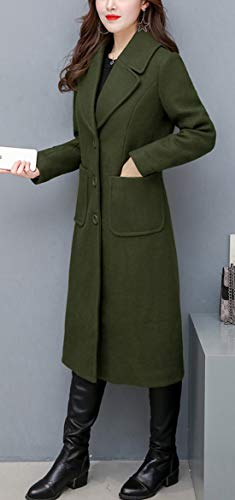
Chouyatou designs tend to lean toward a structured, tailored look, which is characteristic of the classic pea coat. However, 'fit' is subjective and depends on how you intend to wear the coat. There are two main directions to consider: the slim, body-skimming fit and the slightly more relaxed, layering-friendly fit. If you plan to wear your pea coat over light blouses or thin sweaters, a more fitted silhouette will look sharp and polished. However, if you intend to use this as your primary winter shield, you must account for the thickness of chunky knitwear. Always check the shoulder construction. A well-made pea coat should have a seam that sits right at the edge of your natural shoulder to prevent a 'sloping' appearance that can make the coat look oversized or poorly fitted.
Evaluating Design Details and Functionality
The details of a pea coat define its character. Look closely at the lapels. A wide, notched lapel is the hallmark of a traditional pea coat and provides a flattering frame for the face. Additionally, consider the button quality. Since pea coats are often heavy, the buttons need to be securely attached and substantial enough to withstand the tension of the fabric. Hardware choice—such as matte horn-style buttons versus metallic accents—can shift the coat from 'classic nautical' to 'modern urban.' Don't overlook the pockets. Deep, welt pockets are essential for warming your hands, and you should ensure they are positioned at a height that feels natural for your arm length.
Color Selection for Versatility
eadme
Styling for Longevity
To maximize your investment, consider the color palette. Navy blue and charcoal grey are the gold standards for pea coats. They are incredibly versatile, pairing easily with denim, black trousers, or even casual dresses. Black is a sophisticated alternative that offers a slimming effect and hides stains well. If you want to move away from the traditional, camel or burgundy tones can add a touch of warmth to your wardrobe without sacrificing the coat's ability to pair with most outfits. A neutral-colored pea coat acts as a foundational piece that will remain stylish through changing trends for years to come.