The primary advantage of a platform sandal is the 'offset' it provides. When shopping, look closely at the height of the front platform versus the height of the actual heel. A sandal with a 2-inch platform and a 4-inch heel is significantly more comfortable than a sandal with a 1-inch platform and a 4-inch heel. This mathematical difference reduces the actual angle of your foot, preventing the steep, painful incline that often leads to arch strain and calf fatigue. If you plan on walking long distances, aim for a thicker forefoot platform to keep your foot in a more neutral position.
Material Selection and Durability
Because platform sandals carry more weight and mass than standard flip-flops, the materials used in construction are critical. For a more elevated, evening-ready look, suede or faux-leather finishes provide a sophisticated texture. However, if you are selecting sandals for outdoor summer wear, consider the breathability of the upper straps. Strappy designs with soft, flexible materials will prevent the 'digging' sensation often felt during long periods of wear. Furthermore, check the sole material. A lightweight EVA or cork-style platform will be much easier on your joints than a solid, heavy rubber sole, which can make your gait feel clunky and uncoordinated.
Stability and Sole Traction
A common pitfall with platform footwear is the lack of lateral stability. Because the base of the shoe is wider and higher off the ground, your center of gravity shifts. Look for sandals that feature a wide outsole. A wider footprint provides a more stable base, reducing the risk of ankle rolls. Additionally, pay attention to the tread pattern on the bottom of the sandal. Many fashion-forward platforms prioritize aesthetics over grip, resulting in smooth soles that become slippery on polished indoor floors or wet sidewalks. Ensure the underside has some level of textured grip or lugging to provide necessary traction.
Style Versatility and Occasion Matching
When deciding on a specific silhouette, consider your existing wardrobe. Chunky, lug-sole platforms pair exceptionally well with denim and casual midi dresses, leaning into a contemporary, edgy aesthetic. Conversely, slim-profile wedge platforms or strappy espadrilles are better suited for feminine, flowing silhouettes and coastal vacations. If you want a single pair that works for both day and night, opt for a neutral tone—such as tan, black, or cream—and a medium platform height that doesn't feel overly aggressive for daytime errands but remains striking enough for dinner.
Sizing and Strap Security
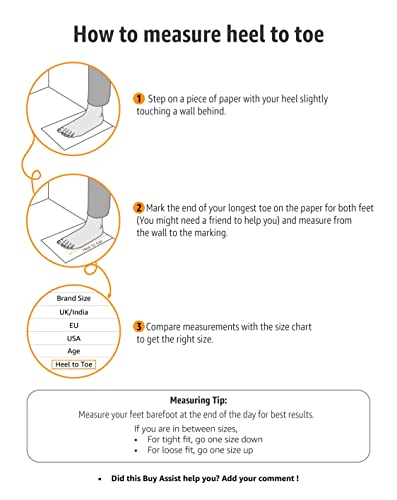
Platform sandals can sometimes feel 'loose' due to the added weight of the sole. It is vital to look for styles that offer adjustable elements, such as ankle buckles or wrap-around ties. This allows you to secure the sandal to your foot, ensuring that the weight of the platform doesn't cause your heel to slip out as you walk. If you find yourself between sizes, it is often better to size up in a platform to ensure your toes aren't pressed against the front edge, which can be particularly uncomfortable in structured, non-stretch materials.