Prioritize Fabric Composition and Texture
The most critical decision factor in selecting a pullover is the material blend. Because these sweaters are designed for frequent wear, you must weigh the softness of the fiber against its durability. Synthetic blends, often featuring acrylic or polyester, are highly common in essential lines because they are resistant to shrinking and maintain color vibrancy longer than pure natural fibers. However, if you prioritize warmth and breathability, look for blends that incorporate cotton or rayon. Cotton-rich pullovers offer a crisp, structured feel that is ideal for layering under blazers, whereas softer, more brushed synthetic knits provide that 'cozy' sensation perfect for lounging. Be wary of overly thin knits that may pill easily. A slightly denser gauge usually indicates a longer lifespan.
Determine the Desired Silhouette and Fit
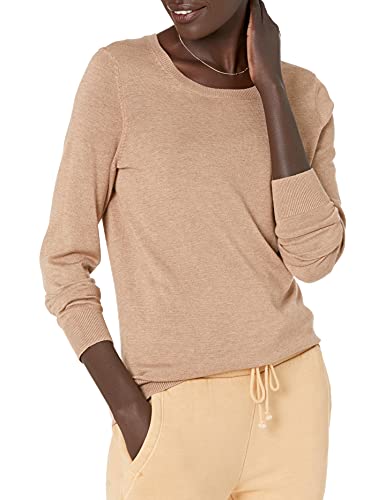
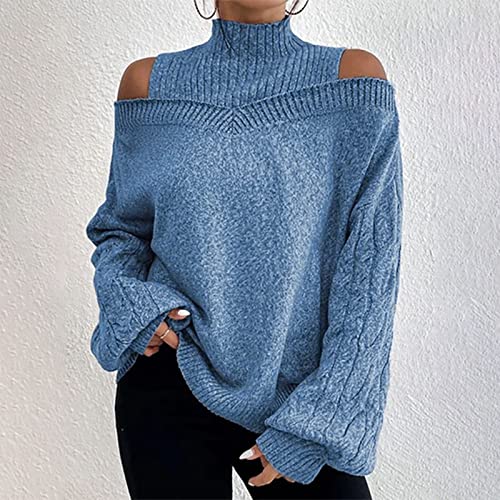
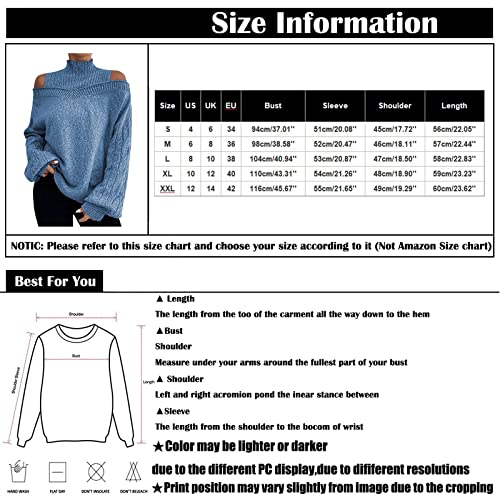
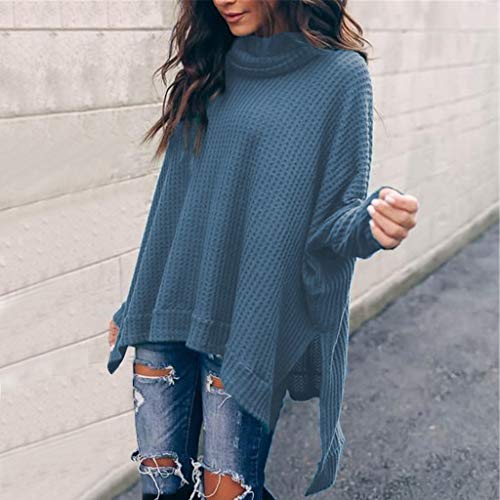
The 'fit' of a sweater dictates its utility. When browsing, categorize your needs into three distinct silhouettes: slim-fit, relaxed, or oversized. A slim-fit pullover is a layering essential. It should skim the body without pulling at the seams, making it ideal for wearing under denim jackets or tailored coats. A relaxed fit offers a classic, timeless look that works well for business-casual environments. If you are aiming for a contemporary, cozy aesthetic, an oversized or 'boyfriend' fit provides maximum comfort but requires careful styling—pair these with slimmer bottoms to maintain balance. Pay close attention to the shoulder seam. For a polished look, the seam should sit right at the edge of your natural shoulder.
Evaluate Neckline Versatility
The neckline of your pullover determines how much 'personality' the garment adds to your outfit. Crewnecks are the gold standard for versatility. They are understated, professional, and pair effortlessly with collared shirts. V-necks are excellent for elongating the torso and providing a more feminine silhouette, making them a great choice for layering over delicate camisoles. For colder climates or a more academic aesthetic, turtlenecks and mock necks offer superior warmth and a sophisticated profile. When choosing, consider your existing jewelry and scarf collection to ensure the neckline doesn't clash with your preferred accessories.
Consider Weight and Seasonal Utility
Not all pullovers are created equal in terms of thermal density. A lightweight, fine-gauge knit is a transitional piece, perfect for spring and autumn or for air-conditioned offices. A chunky, heavy-weight knit is a winter staple designed to trap heat. When making your selection, think about the 'layering math': if you plan to wear a heavy coat over the sweater, avoid bulky knits that will create uncomfortable lumps. Conversely, if the sweater is your primary outer layer for a mild evening, prioritize a thicker weave that provides substance without the need for additional bulk.
Maintenance and Longevity Factors
Since essential sweaters are intended for high-frequency rotation, consider how easy they are to care for. Check the care labels mentally: can this be tossed in a standard machine cycle, or does it require the delicate touch of hand-washing? Sweaters with high synthetic content generally handle machine washing better, whereas natural blends may require laying flat to dry to prevent stretching. To maximize the life of your purchase, look for ribbed cuffs and hemlines, as these structural elements help the sweater retain its shape and prevent the sleeves from sliding down over time.