Prioritize Material Durability and Skin Sensitivity
The most critical factor in selecting an essential ring is the metal composition. Because rings are subject to constant friction, moisture, and contact with soaps or lotions, the material dictates how long the finish will last. For everyday essentials, look for sterling silver or gold-plated options that feature a high micron count. A higher plating thickness means the gold layer is less likely to wear off, exposing the base metal underneath. If you have sensitive skin, avoid rings with high nickel content, which can cause irritation. Instead, opt for hypoallergenic metals like surgical-grade stainless steel or high-quality sterling silver. For those seeking a 'set it and forget it' approach, solid gold or high-quality gold vermeil offers the most longevity, though it comes at a higher price point.
Evaluate the Design for Versatility and Stacking
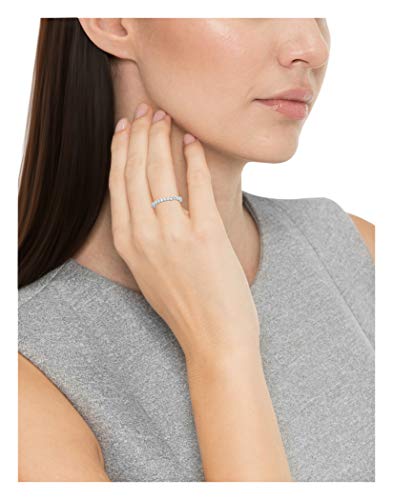
Essential rings are defined by their ability to be worn in multiple contexts. When browsing, consider the 'stackability' of the design. Thin, delicate bands are excellent for layering, allowing you to create a customized look that evolves with your style. If you prefer a single focal point, look for designs with a low profile. A ring that sits too high off the finger is prone to catching on clothing, hair, or knitwear, which can lead to bending or snagging. A smooth, low-profile setting is much more practical for active lifestyles and office environments. If you are purchasing a set, ensure the widths of the bands complement each other so they don't look cluttered when worn together.
Understand Sizing and Fit Accuracy
A ring that is too tight is uncomfortable and can restrict circulation, while one that is too loose risks being lost during hand washing or physical activity. Since many essential rings are sold as standalone items, pay close attention to sizing charts. Because different styles (such as wide bands versus thin wires) fit differently on the finger, a wide band may feel tighter than a thin one of the same size. If you are between sizes, it is generally safer to size up for wide bands to account for the increased surface area. Always check if the ring is adjustable. Adjustable rings are a fantastic choice for 'essential' collections because they allow for slight fluctuations in finger size due to temperature or hydration changes.
Assess the Quality of Embellishments
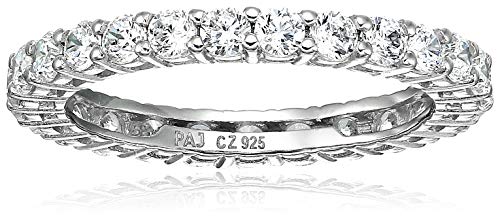
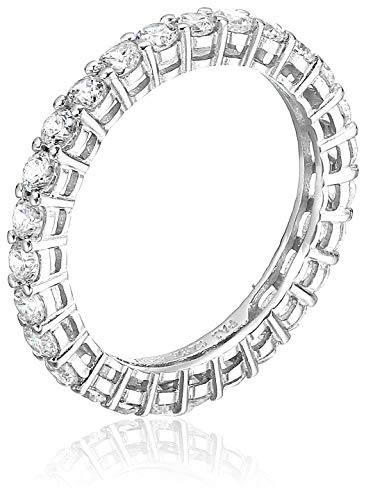
If you are choosing a ring with stones, whether they are cubic zirconia, crystals, or lab-grown gems, the setting method is key. Look for 'prong' or 'bezel' settings rather than simple glued-in stones. A bezel setting, where the metal wraps entirely around the edge of the stone, provides the highest level of protection for the gem and is the most secure for daily wear. Prongs are classic and allow more light to hit the stone, making it sparkle more, but they require more care to ensure the stones don't loosen over time. Avoid rings where the stones appear loosely seated, as these are prone to falling out during routine tasks.